
Hunza Travel Safety Guide
Is Hunza Safe for Solo Travelers?
An honest 2026 safety guide for solo travelers, solo female travelers, first-time visitors and anyone planning a peaceful, aware and well-prepared trip to Hunza Valley.
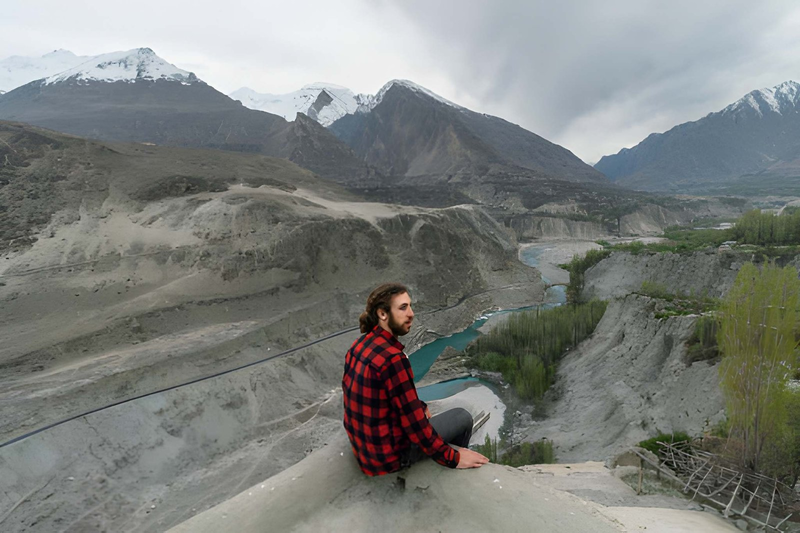
Can You Travel Hunza Alone and Feel Comfortable?
If you search “Is Hunza safe?” you will notice something strange. Most answers fall into two extremes. Some paint Hunza as perfectly safe with no concerns at all. Others place it inside generic Pakistan safety content filled with fear, outdated headlines and very little local understanding.
Neither version helps a solo traveler trying to make a real decision. This guide is written for people who are already curious about Hunza, but paused at the final question: can I go there alone and feel comfortable doing it?
The short answer is yes. The honest answer is yes, with awareness. Hunza Valley is one of the most welcoming and comfortable regions in Pakistan for solo travelers, including solo female travelers, but it is still a mountain destination.
The real risks are usually road conditions, weather, altitude, overconfidence and poor planning — not personal security.
This guide focuses specifically on Hunza Valley, not Pakistan as a whole. It explains how safe Hunza feels on the ground, what solo women should realistically expect, which safety concerns matter, how to move around confidently, and when a supported tour or local driver makes more sense than trying to do everything alone.
Quick Safety Answer
Is Hunza Safe for Solo Travelers in 2026?
Yes. Hunza is one of the safest and most comfortable regions in Pakistan for solo travel, especially when you follow basic mountain-travel awareness.
Personal Safety
Crime against tourists is rare. Most visitors feel calm because Hunza is community-driven and socially transparent.
Solo Female Travel
Hunza is one of the easiest places in Pakistan for women traveling alone, especially in Karimabad, Altit, Gulmit and Passu.
Main Risk
The biggest practical concern is not crime. It is mountain logistics: roads, weather, altitude and remote-day planning.
Best Base
Karimabad or Aliabad are good first bases because transport, food, guesthouses and day trips are easier to manage.
Best Travel Style
Slow, aware and flexible travel works best. Hunza rewards travelers who do not rush from one stop to another.
Good Support Option
Solo travelers can stay independent while using local drivers or short guided day tours for longer routes.
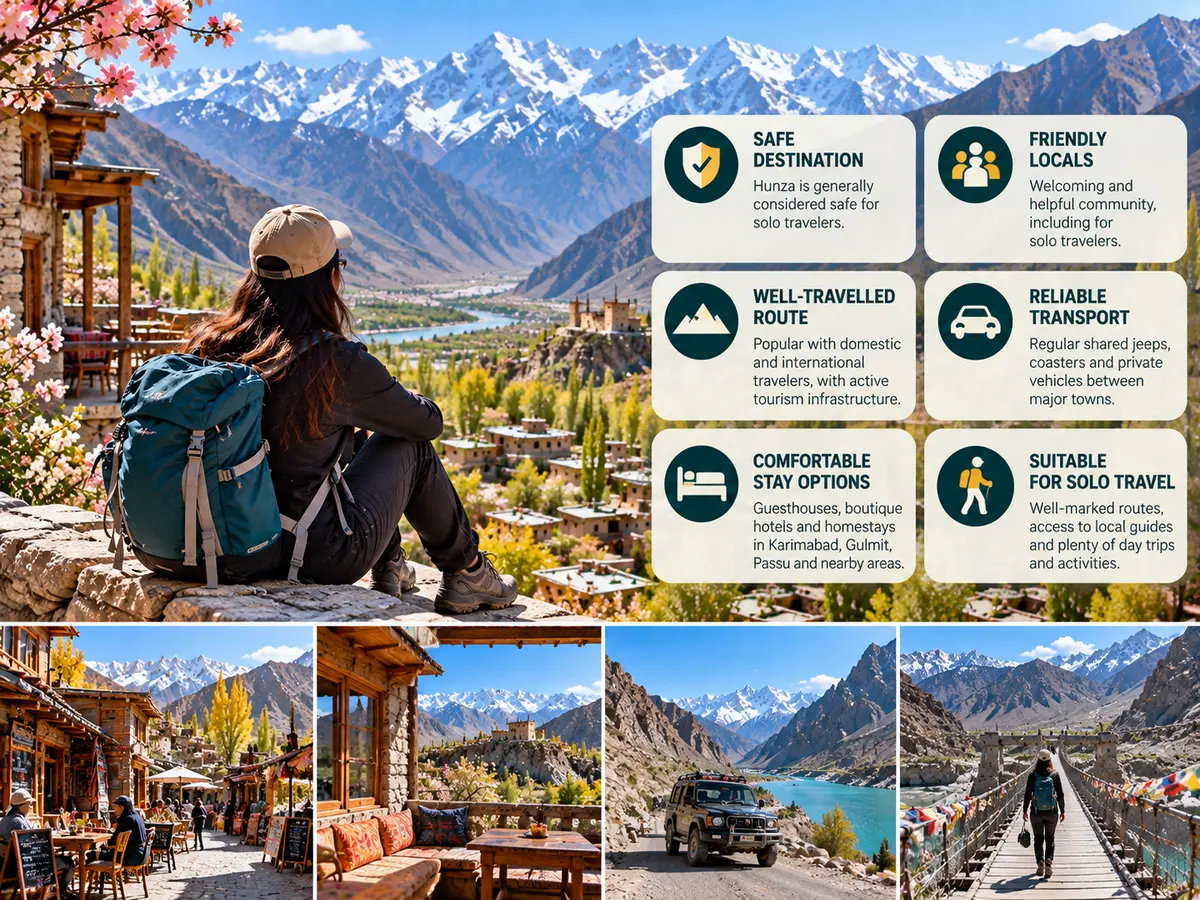
- How safe Hunza Valley is for tourists
- Why Hunza feels safer than many regions
- Solo female travel in Hunza
- Common solo travel safety concerns
- How to stay safe while traveling solo
- Hunza vs Skardu vs Kashmir for solo travelers
- Choosing accommodation as a solo traveler
- Culture, religion and online misconceptions
- Recommended Hunza tours for solo travelers
- Frequently asked questions
How Safe Is Hunza Valley for Tourists?
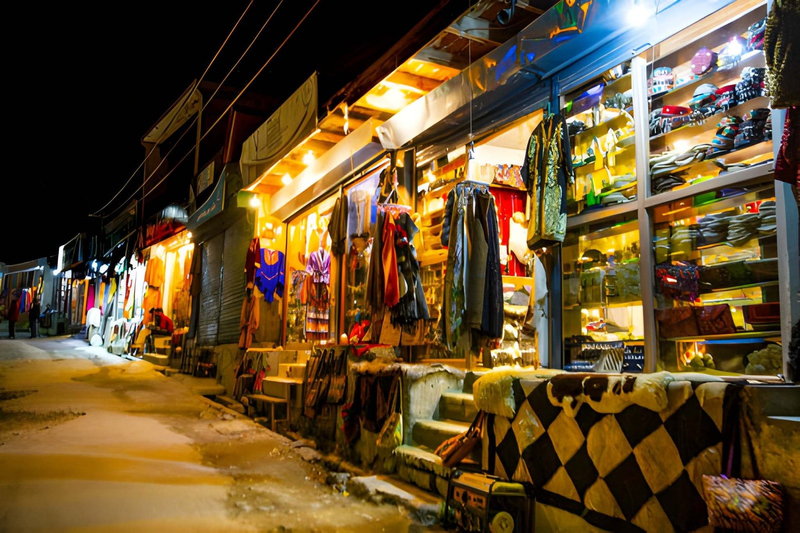
Hunza Feels Safe Because of Community, Not Heavy Security
Hunza Valley has built a reputation over decades as one of the safest and most welcoming regions in Pakistan. Tourists usually do not feel safe here because of visible enforcement. They feel safe because crime is genuinely rare and the social structure discourages bad behavior.
Unlike large cities where anonymity exists, Hunza is community-driven. People know each other. Visitors are noticed, but usually in a protective and helpful way rather than a suspicious way.
That social visibility is one of Hunza’s biggest safety strengths for solo travelers.
Pickpocketing, street scams, aggressive harassment and tourist-targeted crime are extremely uncommon in the main Hunza travel belt. Local communities take pride in how guests experience the valley. Travelers are usually treated as guests, not opportunities.
This does not mean Hunza is risk-free. No mountain region is. It means the risks are usually predictable and manageable. The concerns worth preparing for are road delays, changing weather, altitude adjustment, remote stretches, limited signal in some areas and the temptation to overextend your itinerary because the valley feels so calm.
Where It Feels Easiest
Karimabad, Aliabad, Altit, Gulmit and Passu are the most comfortable areas for first-time solo travelers because they are familiar with visitors and have established guesthouses.
What Still Matters
Travel in daylight, choose central accommodation, keep your host updated for longer day trips and avoid treating remote viewpoints like city parks.
The Real Safety Balance
Hunza is peaceful, but it is still mountainous. Road timing, weather, altitude and signal gaps matter more than crime concerns.
Why Hunza Feels Safer Than Many Other Regions
Hunza’s safety is not accidental. It comes from a combination of social accountability, tourism familiarity, slower movement and strong hospitality norms.
Small Communities
People know each other, so behavior is visible. This creates informal accountability in villages, bazaars and guesthouse areas.
Tourism Is Familiar
Hunza has welcomed trekkers, photographers, families, solo travelers and international visitors for years.
Hospitality Culture
Guests are treated with warmth. Advice, directions, tea invitations and casual check-ins are part of local life.
Slower Travel Rhythm
Movement is calmer than in big cities. Interactions are personal, not anonymous or rushed.
Is Hunza Safe for Solo Female Travelers?
For many women, the question is not whether Hunza is beautiful. It is whether they will feel comfortable there alone. That hesitation is valid and deserves a grounded answer.
Hunza is one of the easiest places in Pakistan for women to travel independently. Many solo female travelers describe the experience as calm, respectful and unexpectedly comfortable. The reasons are cultural as much as logistical.
Women are visible in Hunza’s daily life — walking to work, managing shops, teaching, studying and interacting confidently in public spaces. That matters. It creates a social baseline where a woman moving alone is not automatically treated as unusual.
Why Solo Women Often Feel Comfortable
- Interactions are usually polite, short and helpful.
- Family-run guesthouses create a natural safety anchor.
- Karimabad, Altit, Gulmit and Passu are familiar with visitors.
- Catcalling and aggressive harassment are rare compared with large cities.
- Local women are visible in public and professional life.
What Still Requires Awareness
- Remote viewpoints and village walks are better in daylight.
- Use trusted taxis or local drivers for early morning and evening routes.
- Dress modestly and practically to avoid unnecessary attention.
- Tell your guesthouse host before heading to quieter places alone.
- Do not confuse social comfort with complete environmental safety.
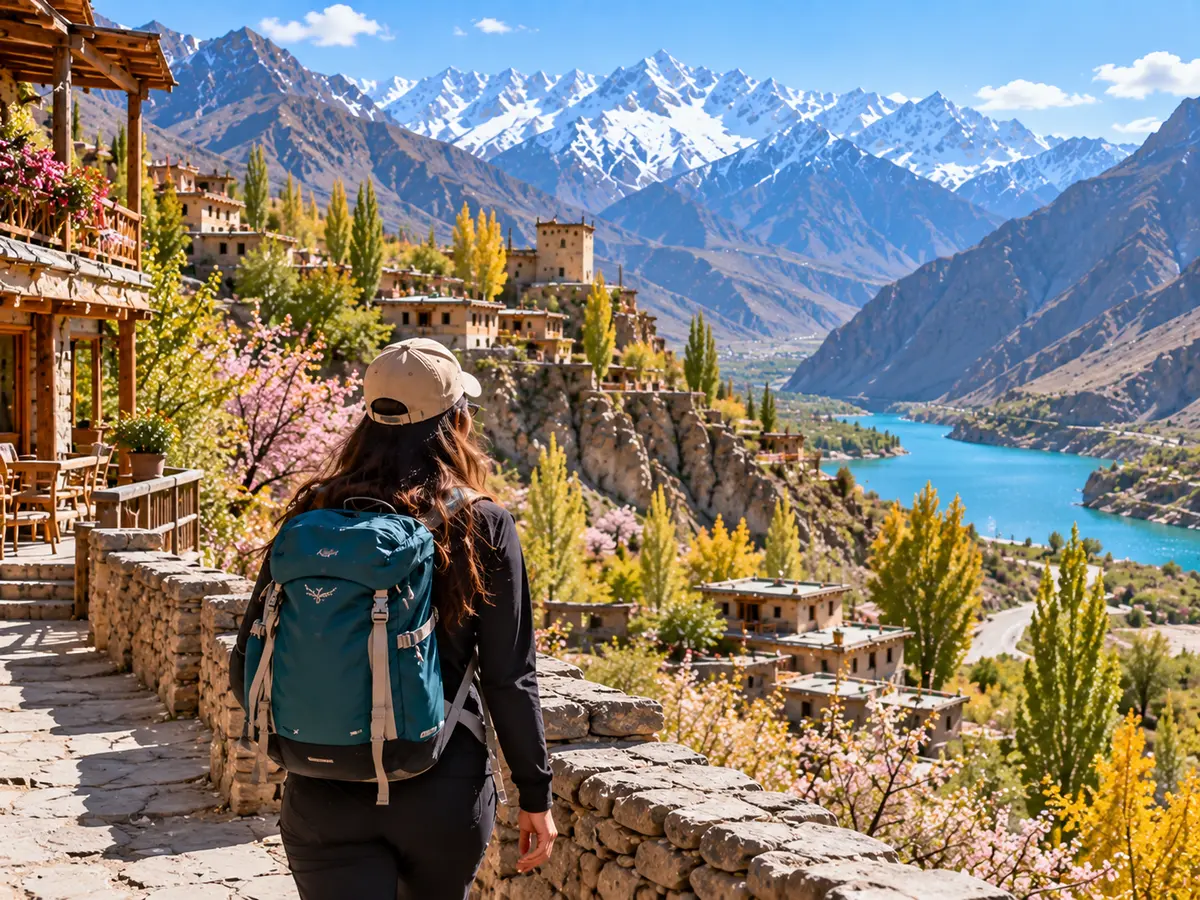
Curiosity can happen, especially in smaller villages. Usually it is not threatening. The key difference is that attention in Hunza rarely feels aggressive or persistent. If a situation feels uncomfortable, a simple boundary, change of location or return to a busier area is usually enough.
Pakistan is not one uniform travel experience. Safety and comfort vary dramatically by region. Hunza stands apart because it is smaller, more tourism-aware and more socially accountable than many large transit cities. That is why many solo female travel stories in northern Pakistan begin in Hunza — and often return there.
Common Solo Travel Safety Concerns in Hunza
Most anxiety comes from unknowns. These are the safety questions that matter most on the ground.
Road & Transport Safety
Hunza is reached by mountain roads, especially the Karakoram Highway. The route is established and regularly used, but it still requires respect. Daytime travel is better, local drivers are recommended for first-timers, and night driving should be avoided unless necessary.
- Use trusted taxis or local drivers for long routes.
- Start early when visiting Upper Hunza or viewpoints.
- Expect occasional delays from landslides or road work.
Health & Altitude
Hunza is remote, but not medically isolated. Pharmacies and basic facilities exist in main villages, while serious emergencies require larger-city support. The most common issue for visitors is altitude adjustment, not illness.
- Hydrate from the first day.
- Avoid overplanning your arrival day.
- Rest if headaches or fatigue increase.
Harassment & Personal Space
Harassment is rare in Hunza. Solo travelers are more likely to experience polite curiosity than intimidation. Social accountability is strong because communities are small and visible.
- Stay in central village locations at first.
- Trust your comfort level if an interaction feels too much.
- Use guesthouse hosts as local advice points.
How to Stay Safe While Traveling Solo in Hunza
Staying safe in Hunza is not about defensive travel. It is about matching your habits to the rhythm of the valley: early starts, local advice, flexible plans and simple communication.
Do This
- Share your day plan with your guesthouse host before longer outings.
- Download offline maps and save hotel addresses before leaving.
- Choose family-run guesthouses with recent reviews.
- Use local drivers for sunrise, sunset and Upper Hunza routes.
- Start sightseeing early and finish before dark when possible.
Avoid This
- Do not wander far from villages without telling anyone.
- Do not ignore weather changes just because the plan is fixed.
- Do not self-drive mountain roads unless you are confident and experienced.
- Do not pack too many destinations into a short stay.
- Do not rely on constant mobile signal in upper or remote areas.
Watch Carefully
- Road closures are usually logistical, but they can disrupt tight itineraries.
- Feeling safe can lead to overconfidence in remote places.
- Cold mornings and evenings can affect energy and decision-making.
- Altitude fatigue can feel like laziness, but it deserves rest.
- Local advice is often more useful than online maps.
Hunza vs Skardu vs Kashmir for Solo Travelers
These regions are all beautiful, but they do not feel the same when you are alone. Hunza is usually the easiest starting point for solo travelers because it is compact, community-based and predictable.
| Region | Solo Travel Feel | Main Strength | What to Watch |
|---|---|---|---|
| Hunza | Calm, social, village-based | Best starting point for first-time solo travelers | Mountain roads, weather, altitude and remote-day planning |
| Skardu | Wide, dramatic, more spread out | Excellent for landscapes and wilderness-style travel | Longer distances, flight uncertainty and bigger logistics |
| Kashmir | Lush, emotional, busier in popular areas | Strong scenery and short-trip access from Islamabad | More crowds, heavier tourism pressure and route sensitivity |
Choose Hunza First If
You are new to solo travel in northern Pakistan and want a compact, calm, village-based destination with strong guesthouse culture.
Choose Skardu If
You are comfortable with longer distances, bigger landscapes, flight uncertainty and more involved route planning.
Choose Kashmir If
You want greener scenery and shorter access from Islamabad, while staying mindful of seasonal crowds and route pressure.
Choosing Accommodation as a Solo Traveler
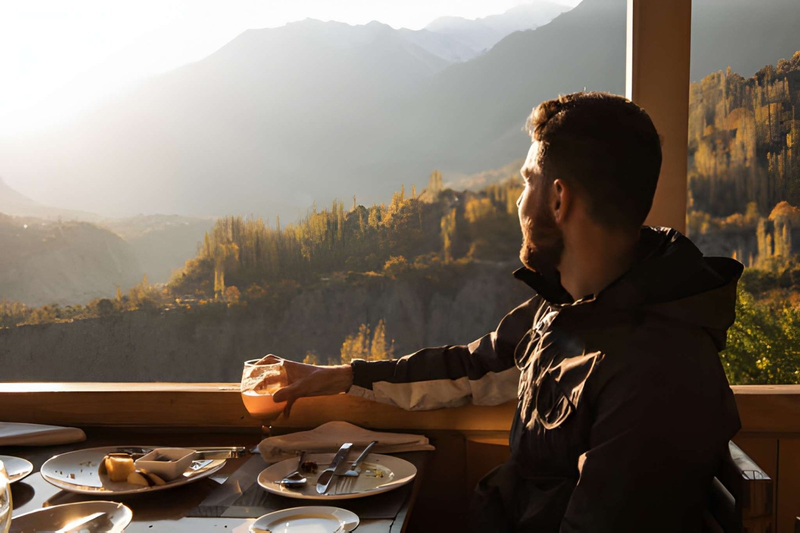
Your Hotel or Guesthouse Is Your Biggest Safety Anchor
For solo travelers, especially first-timers, accommodation matters more than almost anything else. Family-run guesthouses and small hotels are ideal because hosts often check in casually, offer route advice, suggest transport and notice if a guest returns late.
This is not surveillance. It is community hospitality. Once you are known to a host, Hunza begins to feel less like a destination and more like a temporary home.
Best Areas for First Base
Karimabad, Aliabad and Altit are strong first choices because food, taxis, shops and sightseeing are easy to access.
Best Accommodation Type
Choose family-run guesthouses or small hotels with recent reviews, clear communication and central locations.
When to Go More Remote
After your first few days, quieter stays in Gulmit or Passu can be wonderful if you are comfortable with slower evenings and less signal.
Culture, Religion & Online Misconceptions
Hunza attracts a surprising amount of misinformation online. No, Hunza is not Hindu. No, Hunza is not meat-free. No, Hunza is not isolated from modern life. These assumptions usually come from people who have not spent meaningful time in the valley.
Many people in Hunza follow Ismaili Shia Islam, and daily life is shaped by community, education, hospitality and social harmony. For travelers, this matters practically more than theologically. Alcohol is generally not part of local life, modesty is appreciated, and hospitality often includes tea, conversation and help.
Visitors are not expected to become local. They are expected to be respectful. Dress practically, greet politely, ask before photographing people, and treat quiet villages as lived communities rather than open-air sets.
Respectful Travel Habits
- Dress practically and modestly in villages and public areas.
- Ask before photographing people, homes or private meals.
- Accept tea politely when time allows.
- Keep conversations respectful around faith and local customs.
- Treat villages as lived communities, not photo sets.
Avoid These Mistakes
- Do not rely on social media myths about Hunza culture.
- Do not assume one region represents all of Pakistan.
- Do not photograph local women or private spaces without permission.
- Do not expect nightlife or alcohol culture.
- Do not treat local hospitality as a transaction.
Recommended Hunza Tours for Solo Travelers
Solo travel does not have to mean doing everything unsupported. These Hunza-focused tours work well for travelers who want independence, but prefer local structure for transport, timing and longer routes.

3 Day Hunza Valley Tour by Air
A short, structured option for solo travelers who want a safe first taste of Hunza without handling all logistics alone.
View Tour
5 Day Hunza Valley Tour – Historic Forts, Lakes & Peaks
A comfortable first-time Hunza route with heritage stops, viewpoints, lake scenery and enough structure for solo travelers.
View Tour
5 Day Hunza Valley Hiking & Adventure Tour
Best for active solo travelers who want hikes, viewpoints and adventure with safer local support.
View TourFrequently Asked Questions
Is Hunza safe for solo travelers?
Yes. Hunza is one of the safest and most comfortable regions in Pakistan for solo travelers. The main concerns are usually road conditions, weather, altitude and planning, not personal security.
Is Hunza safe for solo female travelers?
Yes. Hunza is widely considered one of the easiest places in Pakistan for women traveling alone. Solo women usually experience polite curiosity, helpfulness and respectful interactions, especially in established tourist areas.
Is it safe to travel to Hunza nowadays?
Yes. Tourism in Hunza continues actively, and the valley remains a calm and welcoming destination. Temporary disruptions are more likely to come from weather, landslides or road delays than from security issues.
Is Hunza safer than Skardu for first-time solo travelers?
Hunza is usually easier for first-time solo travelers because it is more compact, village-based and socially transparent. Skardu is not unsafe, but it is more spread out and requires stronger logistics.
Can I visit Hunza without a tour?
Yes. Many solo travelers visit Hunza independently. A tour is useful if you want structured transport, local drivers, airport coordination, or support for day trips to places like Attabad Lake, Khunjerab Pass or Naltar Valley.
What is the biggest safety risk in Hunza?
The biggest risk is overconfidence in a mountain environment. Weather changes, road delays, fatigue and remote routes matter more than crime. Plan slowly, travel in daylight and listen to local advice.
Final Takeaway: Travel Solo in Hunza With Awareness, Not Fear
Hunza is safe enough for independent travel, but the safest experience still comes from good judgment: central accommodation, daylight movement, local advice, flexible timing and realistic mountain planning.
Solo travelers do not need to be afraid of Hunza. They simply need to respect that peaceful places can still be remote, and beautiful routes can still be affected by weather, altitude and road conditions.
With the right base, a trusted guesthouse, a steady pace and local support where useful, Hunza becomes one of the most rewarding solo travel experiences in northern Pakistan.
