
Hunza Highlights & Things To Do
Eagle’s Nest Sunrise & Sunset Guide
A practical 2026 guide to Hunza’s most famous viewpoint — where to go, when to arrive, whether sunrise or sunset is better, what peaks you can see, and how to fit Eagle’s Nest into a real Hunza itinerary.
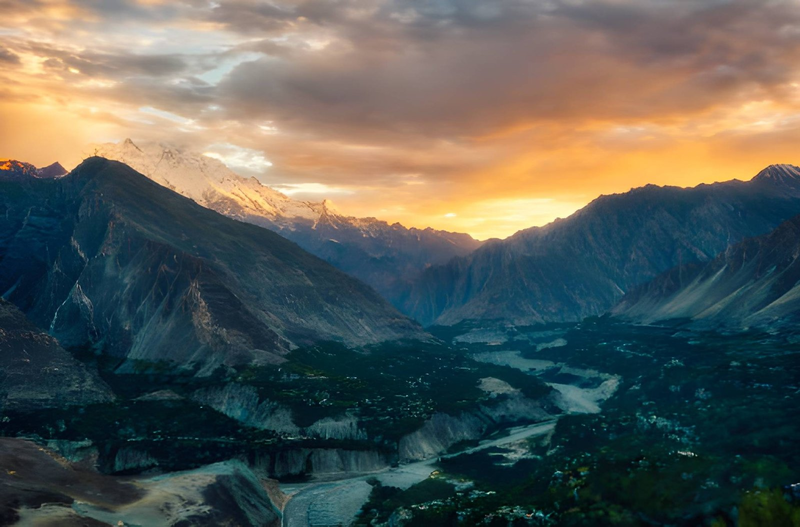
There are many viewpoints in Hunza Valley. Only one is spoken about in whispers before dawn and silence at sunset. That place is Eagle’s Nest.
If you have searched for the best viewpoint in Hunza, chances are this name appeared again and again — often without explanation, context, or honesty. Some guides oversell it as a luxury hotel stop. Others reduce it to a quick photo opportunity. The truth sits somewhere in between, and it depends almost entirely on timing, light, weather, and expectation.
Eagle’s Nest is not difficult to reach compared with treks like Fairy Meadows or Rakaposhi Base Camp, but it is still not a place you should visit casually. It sits high above Karimabad, where wind, temperature, visibility and road conditions feel different from the valley floor. Visit at the right time and it can become one of the most memorable moments of your Hunza trip. Visit at the wrong time, dressed badly or expecting guaranteed colors, and you may wonder why everyone talks about it so much.
This guide is written for travelers who want to understand why Eagle’s Nest is considered Hunza’s most famous viewpoint, whether sunrise or sunset is actually worth the effort, when the views are unforgettable, when they disappoint, and how Eagle’s Nest compares with other iconic mountain viewpoints in northern Pakistan.
The Snapshot
Eagle’s Nest in 60 Seconds
Use this quick overview before planning your sunrise, sunset or viewpoint stop above Karimabad.
Best For
Sunrise, sunset, panoramic photography, first-time Hunza visitors and travelers who want a high-impact viewpoint without trekking.
Location
High above Karimabad in Central Hunza, overlooking the valley, villages, river terraces and major Karakoram peaks.
Altitude
Approximately 2,850 meters / 9,350 feet above sea level, noticeably colder and windier than Karimabad below.
Best Time
Sunrise for silence and soft layers. Sunset for color, comfort and the classic golden-hour Hunza view.
Visible Peaks
Rakaposhi, Ladyfinger Peak, Diran Peak, Golden Peak and surrounding Karakoram ridgelines on clear days.
Time Needed
1.5–2.5 hours including transport, waiting time, photography and a calm viewpoint experience.
What Is Eagle’s Nest in Hunza?
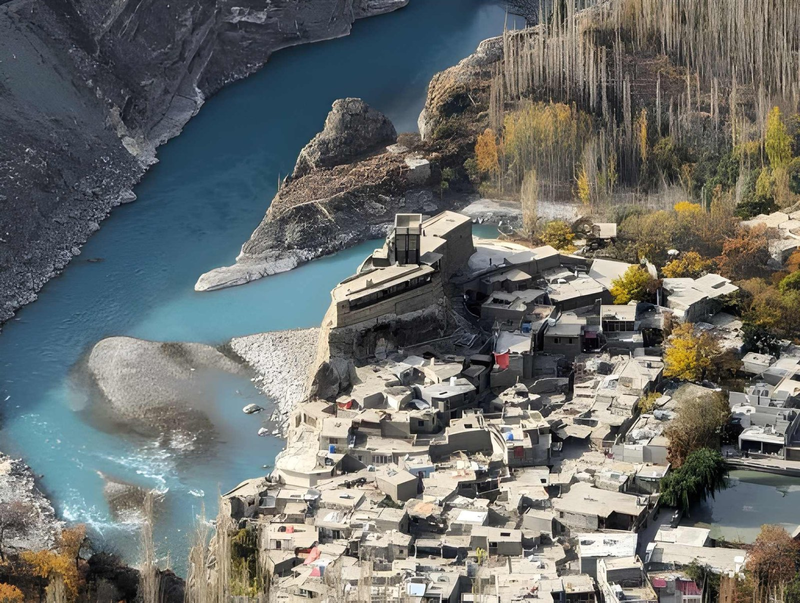
A high viewpoint above Karimabad
Eagle’s Nest is a natural viewpoint located high above Karimabad, the cultural heart of Hunza Valley. It sits on a ridge that looks directly across the central Hunza landscape, offering an unusually wide panorama of the Karakoram range.
Unlike roadside viewpoints, Eagle’s Nest requires deliberate effort to reach. You leave the busier lanes of Karimabad, climb higher into the ridge, and slowly watch the valley open below you. That elevation is what makes the place feel different the moment you arrive.
Karimabad itself is beautiful, but it is embedded within the valley. Houses, orchards, lanes and slopes surround you. Eagle’s Nest rises above that everyday life. From this height, the valley opens instead of enclosing you. Peaks appear closer, the river terraces become more visible, and light behaves differently, especially at dawn and dusk.
This is why Eagle’s Nest is not just another Hunza stop. It is a place where the entire central valley becomes readable. You can see how villages sit against the slopes, how the mountains frame the route, and why Hunza feels so composed compared with many other northern destinations.
Why Eagle’s Nest Is Hunza’s Most Famous Viewpoint
Most viewpoints in Hunza are excellent for one thing. Eagle’s Nest is famous because it does several things well at the same time.
360° Mountain Feel
You can look across multiple directions instead of facing only one mountain or valley wall.
Multiple Iconic Peaks
Rakaposhi, Ladyfinger Peak, Diran and Golden Peak are visible on clear days from one broad viewpoint.
Sunrise & Sunset
Many viewpoints are better at one time of day. Eagle’s Nest works beautifully for both sunrise and sunset.
No Trek Required
It delivers a high mountain viewpoint experience without needing multi-hour hiking or physical strain.
Seasonal Reliability
The view changes with blossoms, summer haze, autumn colors and winter snow, but remains meaningful across most seasons.
Easy Itinerary Fit
It pairs naturally with Baltit Fort, Altit Fort, Karimabad walks, Attabad Lake and Upper Hunza day trips.
How High Is Eagle’s Nest in Hunza?
Eagle’s Nest sits at approximately 2,850 meters, or around 9,350 feet, above sea level. That number matters more than many travelers realize.
Karimabad itself sits around 2,500 meters, so Eagle’s Nest is only about 350 meters higher. On paper, that does not sound extreme. In practice, it is enough to change temperature, wind exposure and line-of-sight across the valley. This is why sunrise feels colder here, why clouds sometimes sit lower than the viewpoint, and why light reaches the peaks before it touches the valley floor.
Temperature Difference
Even when Karimabad feels comfortable, Eagle’s Nest can feel cold because you are standing on an exposed ridge with wind.
Better Visibility
The extra elevation improves sightlines across Hunza, especially toward Rakaposhi, Ladyfinger Peak and the surrounding ridges.
Faster Weather Shifts
Clouds, wind and temperature changes can arrive quickly. Always dress for the ridge, not just for the valley below.
Sunrise vs Sunset at Eagle’s Nest
Sunrise and sunset are not interchangeable at Eagle’s Nest. They are two different experiences, shaped by light direction, temperature, crowd behavior and your own energy level.
| Aspect | Sunrise | Sunset | Best Choice |
|---|---|---|---|
| Crowd Level | Low, quiet and mostly photographers or serious travelers | Higher, more social, often families and groups | Sunrise for solitude |
| Temperature | Cold even in summer, especially before the sun rises | Milder at arrival, then cold after the sun drops | Sunset for comfort |
| Light Style | Soft, layered silhouettes and subtle depth | Bold golden, orange and pink tones on the peaks | Sunset for color |
| Photography Mood | Atmospheric, quiet, minimal and emotional | Dramatic, bright, colorful and easier for phones | Depends on style |
| Effort Required | High — wake early and arrive before dawn | Moderate — easier to plan after sightseeing | Sunset for most travelers |
Sunrise at Eagle’s Nest: What to Expect
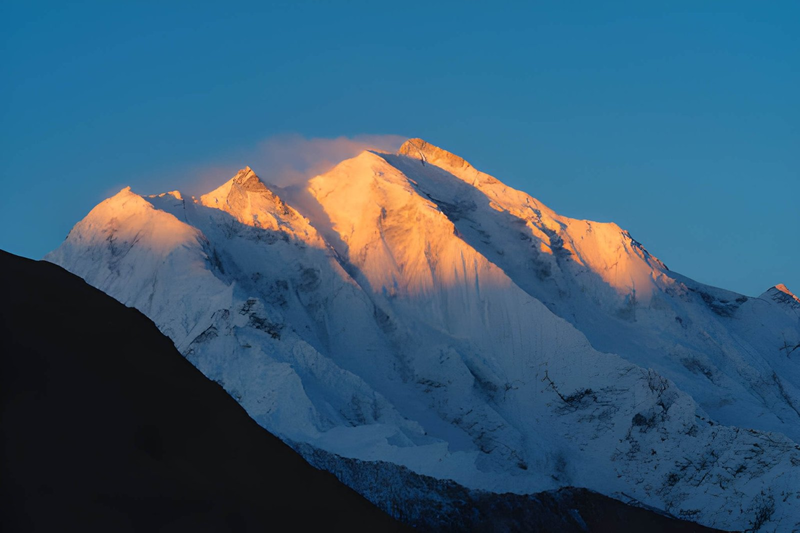
Quiet, cold and more emotional than dramatic
Sunrise at Eagle’s Nest is not casual. It demands intention and rewards travelers who arrive before the light begins. You should aim to reach the viewpoint 45–60 minutes before sunrise, because the experience is not only about the sun appearing. It is about how the first light slowly separates the peaks from darkness.
At dawn, light often comes from behind the mountains rather than directly onto them. This creates layered silhouettes, soft gradients and a sense of depth rather than an instant color explosion. Peaks like Rakaposhi and Ladyfinger Peak do not always glow immediately; they emerge slowly.
Sunrise Is Best If
- You value silence and fewer crowds.
- You enjoy subtle light rather than loud color.
- You are comfortable waking early and standing in cold air.
- You want a more personal, reflective Hunza experience.
- You are serious about landscape photography.
Prepare Properly
- Wear a warm jacket, even in summer.
- Bring covered shoes and something for your hands.
- Arrive before sunrise, not at sunrise.
- Wait after the sun appears; the best light often comes later.
- Use a local driver if you are returning or arriving in darkness.
Sunset at Eagle’s Nest: Is It Worth It?
Sunset is the reason Eagle’s Nest appears in most Hunza itineraries. It is easier than sunrise, warmer at arrival, and visually more dramatic for most travelers. If you only have time for one visit, sunset is usually the safer recommendation.
At sunset, light hits many mountain faces more directly. Rakaposhi can turn golden, Diran may soften into pink and orange tones, and Ladyfinger Peak becomes sharper against the changing sky. This is the postcard version of Eagle’s Nest that many people expect.
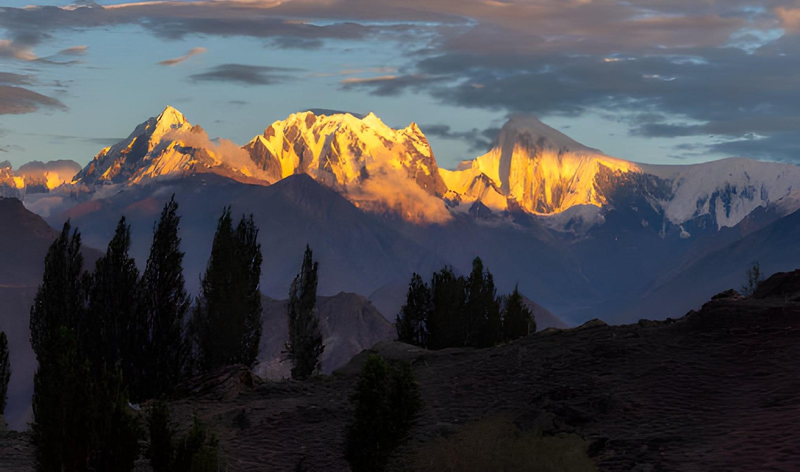
Color, comfort and crowds
Sunset is more forgiving for photographers and casual travelers. Smartphone cameras usually perform better because the contrast and color are stronger. It also fits easily into a day of sightseeing: visit forts, walk through Karimabad, rest in the afternoon, then drive up for golden hour.
The trade-off is crowd energy. Expect families, tour groups, hotel guests and people arriving just before the best light. This does not ruin the experience, but it changes the mood. Sunset at Eagle’s Nest is shared, social and energetic. Sunrise is personal, quiet and introspective.
Sunset Is Best If
- You want strong colors and classic mountain photos.
- You prefer a comfortable schedule.
- You are traveling with family or a group.
- You are short on time and can visit only once.
- You enjoy a lively viewpoint atmosphere.
Avoid These Mistakes
- Do not arrive exactly at sunset; reach earlier to choose your angle.
- Do not leave immediately after the sun drops; twilight can be beautiful.
- Do not dress only for daytime Karimabad weather.
- Do not expect empty viewpoints in peak season.
- Do not judge the view too early if clouds are moving fast.
Best Month to Visit Eagle’s Nest, Hunza
The best month depends less on temperature alone and more on clarity, color, comfort and crowd levels. Hunza’s beauty does not disappear outside summer, but Eagle’s Nest changes character across the year.
Spring
April – May
Spring brings crisp air, fresh light and moderate crowds. April mornings can be cold, but visibility is often excellent. May is easier, with warmer evenings and comfortable sunset visits.
Summer
June – September
Summer offers easy access and lively energy. June and September are usually more balanced, while July and August can bring more haze, clouds and peak-season crowds.
Autumn
October
October is brief but special. Poplars turn gold below, the air sharpens and sunsets feel deeper. Mornings are colder, but the mood can be unforgettable.
Winter
November – March
Winter views can be dramatic, but access becomes weather-dependent. It is not a casual visit after snowfall, especially for first-time travelers or families.
Is Eagle’s Nest Safe to Visit?
Hunza is widely regarded as one of the safest tourist regions in Pakistan. Eagle’s Nest safety is mostly about road conditions, weather, timing and preparation — not security.
Generally Safe For
- Families visiting during daylight or early evening.
- Couples and solo travelers using local transport.
- First-time Hunza visitors with a reliable driver.
- Sunset visits in stable weather.
- Independent travelers who avoid rushing the road.
Use Caution When
- Driving after sunset or before sunrise.
- Weather looks unstable or visibility is low.
- Road shoulders feel narrow near the top.
- There has been snowfall, rain or icy conditions.
- You are self-driving and unfamiliar with mountain roads.
Road Access, Transport & Cost
You do not need an off-road jeep to reach Eagle’s Nest in normal conditions, but you do need a reliable vehicle and a confident driver. Local taxis and small cars make the trip regularly during peak season. The final ascent includes tight turns and limited shoulder space, so speed should always stay controlled.
Self-driving is possible, but first-time visitors often feel more relaxed using a local driver, especially for sunrise or post-sunset returns. If weather looks unstable, postpone. Eagle’s Nest will still be there tomorrow.
| Item | Reality | Traveler Advice |
|---|---|---|
| Entry Fee | No standard viewpoint ticket | Costs are usually transport, tea, meals or hotel terrace access |
| Transport | Local taxi from Karimabad or Aliabad | Agree waiting time and return pickup before leaving |
| Vehicle Type | Normal car works in good weather | Use a local driver for sunrise, sunset or nervous passengers |
| Time Needed | 1.5–2.5 hours total | Add more time if you want tea, photos and relaxed viewing |
| Best Pairing | Karimabad, Baltit Fort, Altit Fort | Use Eagle’s Nest as the opening or closing highlight of the day |
Eagle’s Nest vs Other Famous Viewpoints
Eagle’s Nest does not win because it is the most extreme viewpoint in northern Pakistan. It wins for most travelers because it offers balance: big views, easy access, famous peaks and sunrise-sunset flexibility.
Eagle’s Nest vs Fairy Meadows
Fairy Meadows is more intense and adventure-heavy because it faces Nanga Parbat and requires a tougher journey. Eagle’s Nest is easier, calmer and better for travelers who want a signature view without trekking.
Eagle’s Nest vs Skardu Viewpoints
Skardu viewpoints are wider and more exposed. Eagle’s Nest feels more composed, with villages, slopes, river terraces and peaks arranged in one layered frame.
Why It Works for Most Travelers
You do not need special permits, a long trek or high endurance. You still get iconic Karakoram peaks and a viewpoint that feels worth the effort.
Nearby Places to Visit from Eagle’s Nest
One of Eagle’s Nest’s strongest advantages is how naturally it fits into the wider Hunza route. You do not need to plan an entire day around it. It complements nearby forts, villages, lakes and Upper Hunza viewpoints.
Altit Fort
- Best paired with an Eagle’s Nest sunrise.
- Combines landscape scale with Hunza history.
- Works well as a calm morning plan.
Baltit Fort
- Ideal before an Eagle’s Nest sunset.
- Gives cultural context to the valley below.
- Easy to combine with Karimabad bazaar walks.
Attabad Lake
- Pairs high panoramic views with water-level scenery.
- Best as a next-day Upper Hunza route.
- Excellent for boating, cafés and photography.
Passu Cones
- Shows the sharper, wilder side of Hunza.
- Works best with Attabad, Gulmit and Hussaini Bridge.
- Great for a full-day scenic loop.
Who Should Visit Eagle’s Nest?
Visit If You
- Are visiting Hunza for the first time.
- Want a signature viewpoint without trekking.
- Enjoy photography, quiet observation or reflection.
- Have limited time but want high visual payoff.
- Want to understand Hunza’s geography from above.
You Can Skip If You
- Are repeating Hunza after many visits and want only new places.
- Prefer deep trekking or extreme isolation.
- Are traveling in harsh winter road conditions.
- Do not enjoy viewpoints or waiting for light.
- Expect guaranteed colors regardless of weather.
Recommended Hunza Tours That Include Eagle’s Nest
These Hunza-focused trips are the most relevant options for travelers who want Eagle’s Nest included with forts, viewpoints, Attabad Lake, Upper Hunza, Khunjerab or seasonal scenery.

5 Day Hunza Valley Tour – Historic Forts, Lakes & Peaks
The most balanced Hunza option for first-time visitors who want Eagle’s Nest, Karimabad forts, Attabad Lake and classic mountain scenery.
View Tour →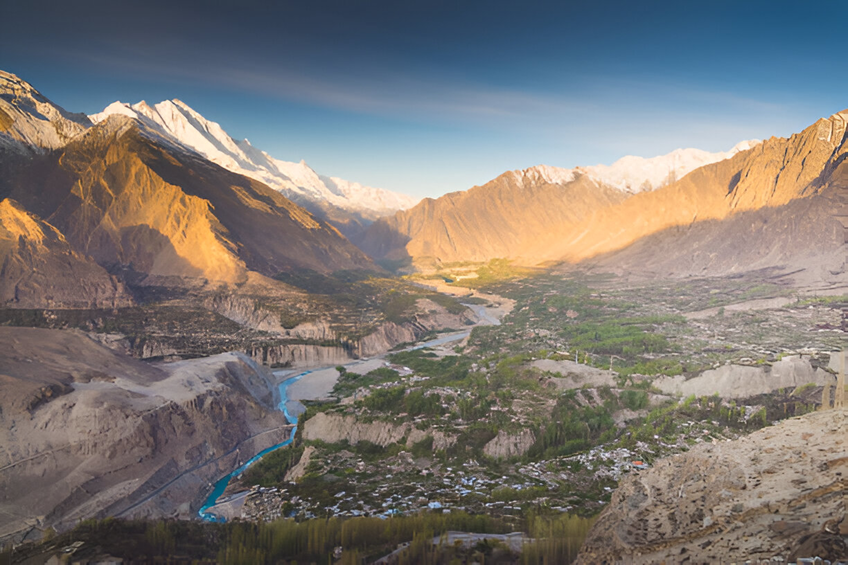
Autumn Tour to Hunza – 7 Days of Fall Foliage & Culture
A seasonal trip for travelers who want Eagle’s Nest during Hunza’s golden autumn colors, calmer roads and softer light.
View Tour →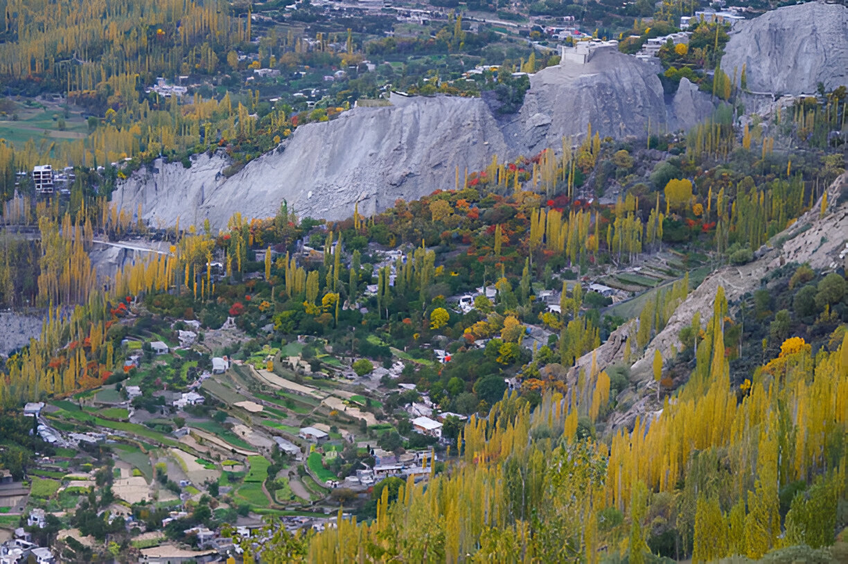
10-Day Hunza & Skardu Guided Tour
From ancient forts to crystal-clear lakes, this journey offers an unforgettable immersion into the majestic landscapes of the Karakoram.
View Tour →Frequently Asked Questions
Is Eagle’s Nest worth visiting?
Yes. Eagle’s Nest is worth visiting if you want one of the best panoramic viewpoints in Hunza without trekking. It may disappoint only if you expect guaranteed dramatic colors every day or extreme isolation like Fairy Meadows.
Can we see Rakaposhi from Eagle’s Nest?
Yes. On a clear day, Rakaposhi is one of the dominant peaks visible from Eagle’s Nest. Visibility depends on weather, haze and cloud movement rather than season alone.
Is sunrise or sunset better at Eagle’s Nest?
Sunrise is better for silence, soft layers and fewer crowds. Sunset is better for color, comfort and classic golden-hour photos. If you can only choose one, most first-time visitors should choose sunset.
How high is Eagle’s Nest in Hunza?
Eagle’s Nest is approximately 2,850 meters, or around 9,350 feet, above sea level. It feels colder and windier than Karimabad because it sits higher on an exposed ridge.
Is Eagle’s Nest safe for tourists?
Yes, Eagle’s Nest is generally safe for tourists. The main concerns are road conditions, weather, visibility and driving after dark. Using a local driver is recommended for sunrise or late sunset visits.
Can you visit Eagle’s Nest without a tour?
Yes. Eagle’s Nest is not a restricted site and can be visited independently by hiring a local taxi from Karimabad or Aliabad. Tours are useful when it is part of a larger Hunza itinerary.
Plan Your Eagle’s Nest Viewpoint Experience
Eagle’s Nest gives you Hunza’s most complete panorama when timing, weather and route planning are handled properly. Add it to a Hunza itinerary with Karimabad, Altit Fort, Baltit Fort, Attabad Lake and Upper Hunza for the strongest experience.
