
Hunza Valley Travel Guide 2026
Hunza Valley Travel Guide (2026)
Complete trip planner for first-time travelers to Hunza, Pakistan — including where to go, when to visit, how to reach Hunza, where to stay, itinerary planning, trip cost, safety and the best Hunza tour options.
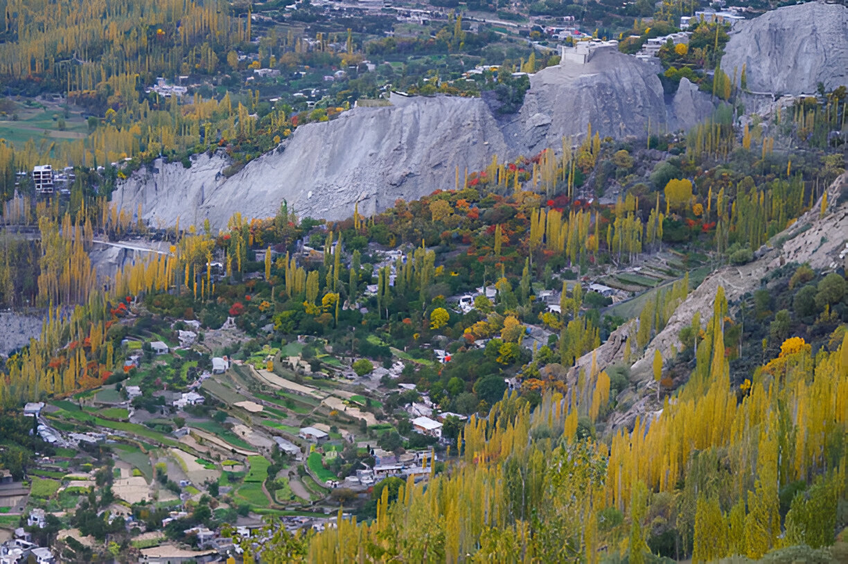
Why Hunza Belongs on Your Northern Pakistan Itinerary
There are mountain destinations that impress you instantly. And then there are places that stay with you long after you leave.
Hunza Valley belongs to the second kind.
This Hunza Valley travel guide (2026) is designed for travelers planning their first trip to Hunza, Pakistan — whether you are visiting for cherry blossom season, a summer road trip, or a relaxed autumn escape. Instead of offering a rushed checklist of viewpoints, this guide walks you through how to experience Hunza properly: when to go, where to stay, what to see, and how to structure your itinerary.
Hunza is located in the Gilgit-Baltistan region of northern Pakistan, along the historic Karakoram Highway. Sitting at approximately 2,500 meters above sea level, the valley feels alpine without being extreme. Snow peaks surround orchards. Ancient forts overlook villages. Glacial rivers cut through vast landscapes.
But Hunza is not a single attraction. It’s a layered journey — cultural, scenic, and deeply atmospheric.
Read this fully, and you won’t arrive guessing. You’ll arrive prepared.
Quick Planner
Hunza Valley in 60 Seconds
Hunza is often described as one of the most beautiful valleys in Pakistan — but beauty here is not just about mountains. It is the rare balance of scenery, culture, safety and accessibility that makes the valley such a strong first choice for northern Pakistan.
Best Time
April for blossoms, June–July for easy road trips and September–October for autumn color.
How to Reach
Road, Babusar Pass, Karakoram Highway and Gilgit flight strategy for first-time travelers.
Where to Stay
Karimabad, Duikar and Upper Hunza accommodation choices based on comfort and itinerary.
Itineraries
Practical 5-day, 7-day and 9-day Hunza trip structures without unnecessary backtracking.
Trip Cost
Realistic cost expectations for hotels, transport, food, jeeps, entries and seasonal demand.
Safety Clarity
Solo, family and first-time traveler safety guidance based on Hunza’s real travel conditions.
- Where Hunza Valley is located
- Places to visit in Hunza and things to do
- How to structure Hunza sightseeing
- Best time to visit Hunza Valley
- Detailed seasonal notes
- How to reach Hunza Valley
- Where to stay in Hunza Valley
- Accommodation and booking strategy
- Hunza itinerary, cost and safety
- Best Hunza tour packages
- Independent travel vs Hunza tour package
- Who should choose Hunza?
- Hunza Valley FAQs
- Final verdict
Location & Structure
Where Is Hunza Valley Located?
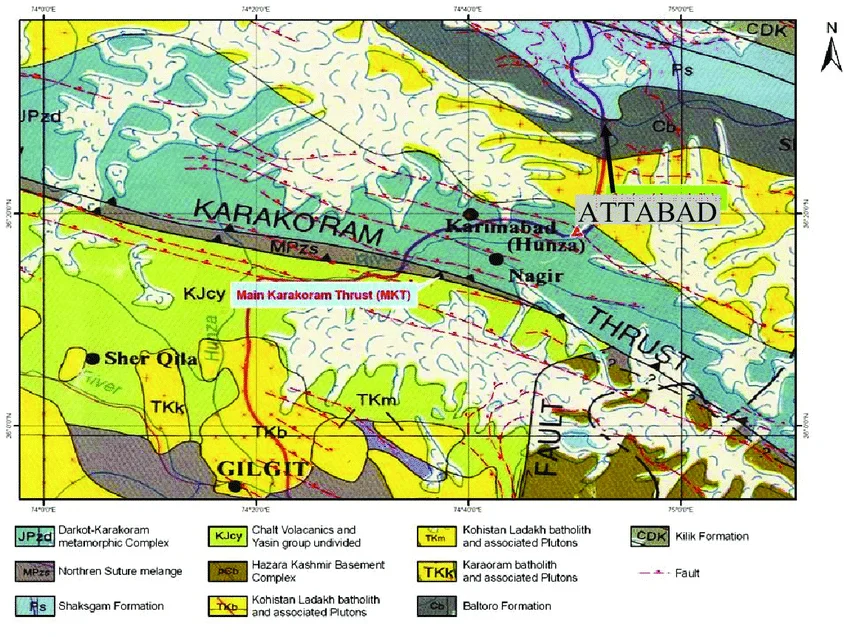
Hunza Valley lies in northern Gilgit-Baltistan, roughly 100 kilometers from Gilgit city and approximately 600–700 kilometers from Islamabad by road.
It sits along the Karakoram Highway (KKH), one of the world’s most scenic mountain highways, which connects Pakistan to China via Khunjerab Pass.
Hunza is divided broadly into Central Hunza, Upper Hunza and Nagar. Most first-time visitors stay in Karimabad, the cultural heart of Hunza.
Central Hunza
Karimabad, Altit and Duikar. Best for forts, culture, Eagle’s Nest, bazaars and first-time accommodation.
Upper Hunza
Attabad, Gulmit, Passu and the Khunjerab side. Best for lakes, cones, bridges and Karakoram Highway drives.
Nagar
Across the river from Hunza. Best for glacier views, Hopper Valley and closer Rakaposhi perspectives.
Places to Visit in Hunza
Places to Visit in Hunza & Things to Do
Hunza is not a destination you “tick off.” It unfolds. You move through villages, then lakes, then mountain viewpoints. You start with history, then drift toward glaciers. Some days feel cultural. Others feel cinematic.
Karimabad, Baltit & Altit
The core heritage layer of Hunza, best explored slowly through forts, village lanes and bazaars.
Attabad, Passu & Eagle’s Nest
The most iconic visual layer: turquoise water, sharp ridges, panoramic viewpoints and famous road scenes.
Khunjerab, Nagar & Rakaposhi
High-altitude border drives, glacier viewpoints and optional trekking toward Rakaposhi Base Camp.
1. Karimabad — The Cultural Heart of Hunza
Every Hunza travel guide begins here for a reason.
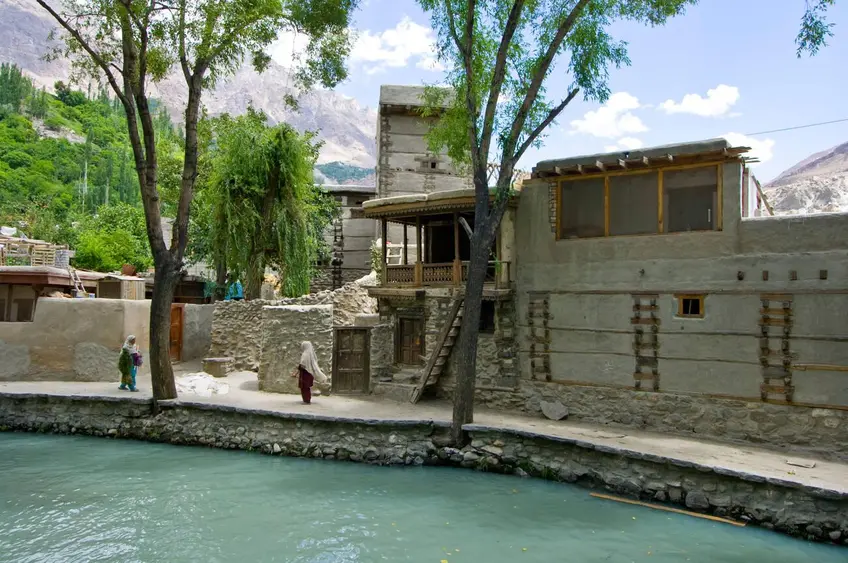
Karimabad is the main settlement in Central Hunza and the most practical base for sightseeing. It is walkable, layered, and positioned perfectly between historic sites and northern landscapes.
Staying in Karimabad allows easy access to Baltit Fort, Altit Fort, the main bazaar, Rakaposhi-facing viewpoints and day trips toward Attabad.
The rhythm here is gentle. Mornings feel fresh. Evenings are quiet. Markets do not overwhelm. For first-time visitors, Karimabad makes Hunza feel manageable.
2. Baltit Fort — The Icon Above the Valley
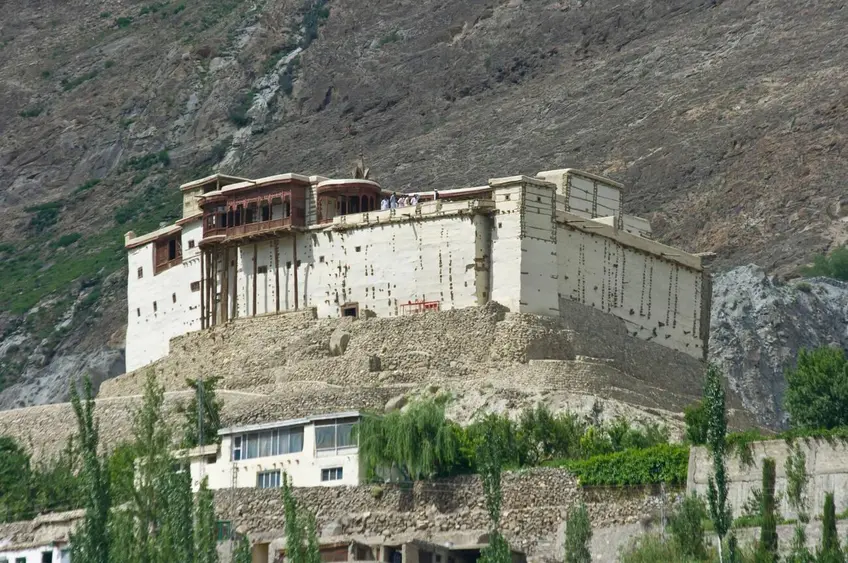
Baltit Fort is one of the most important Hunza Valley tourist places.
Perched above Karimabad, this 700-year-old structure once served as the residence of the Mir of Hunza. Its wooden balconies and stone foundations blend naturally into the ridge, almost as if grown from the mountain itself.
Inside, the rooms reflect political history and royal lineage. Outside, the views explain why the fort was built exactly here.
From the terrace, you see orchards below and peaks rising behind. This is not just a monument — it’s perspective.

3. Altit Fort — Older, Quieter, More Intimate
Often overshadowed by Baltit, Altit Fort is actually older.
Located in Altit village, this restored fort offers a quieter atmosphere and beautifully maintained gardens. The restoration work preserves traditional architecture while allowing visitors to walk through centuries-old spaces.
Altit is ideal for slower exploration — and for those interested in understanding Hunza’s deeper social structure.
Many experienced travelers prefer Altit’s calm energy over Baltit’s prominence.

4. Attabad Lake — The Turquoise Shift
No Hunza sightseeing list is complete without Attabad Lake.
Formed in 2010 after a landslide blocked the Hunza River, this lake has become one of the most photographed places to visit in Hunza Valley.
The color is unreal. Mineral-rich turquoise water sits between steep cliffs, creating a contrast that feels almost artificial.
Here you can take a boat ride, sit at a lakeside café, walk along the shoreline and photograph reflection shots. Attabad works best during mid-morning to afternoon when light intensifies the color.
It is also the gateway to Upper Hunza. For deeper planning, see the Attabad Lake Activities guide.
5. Passu Cones — The Dramatic Skyline
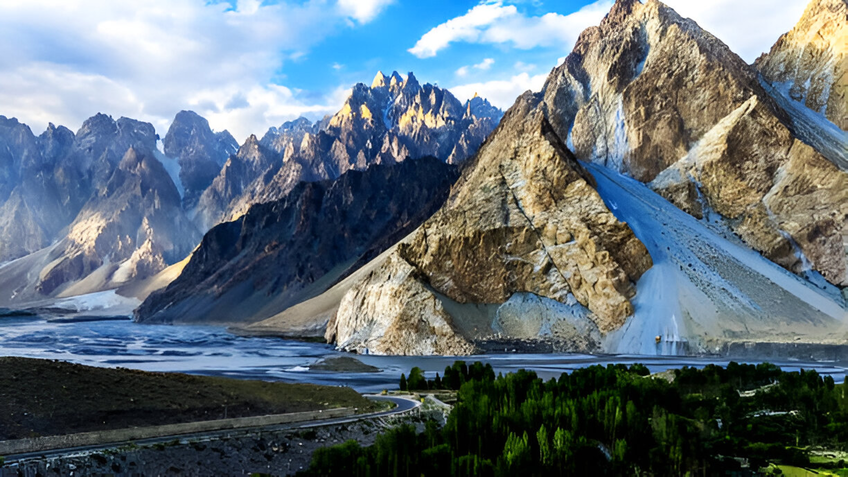
Further north, near the village of Passu, you’ll encounter one of the most recognizable Hunza attractions — the jagged, cathedral-like peaks known as the Passu Cones.
These mountains do not dominate with height alone. They dominate with shape. They rise sharply and symmetrically, creating a skyline unlike anywhere else in Pakistan.
Passu is also near Hussaini Suspension Bridge, Borith Lake and glacier viewpoints.
This area feels wider and less crowded than Central Hunza. If your itinerary allows, spending half a day here changes the visual tone of your trip.
6. Hussaini Suspension Bridge — Controlled Adrenaline
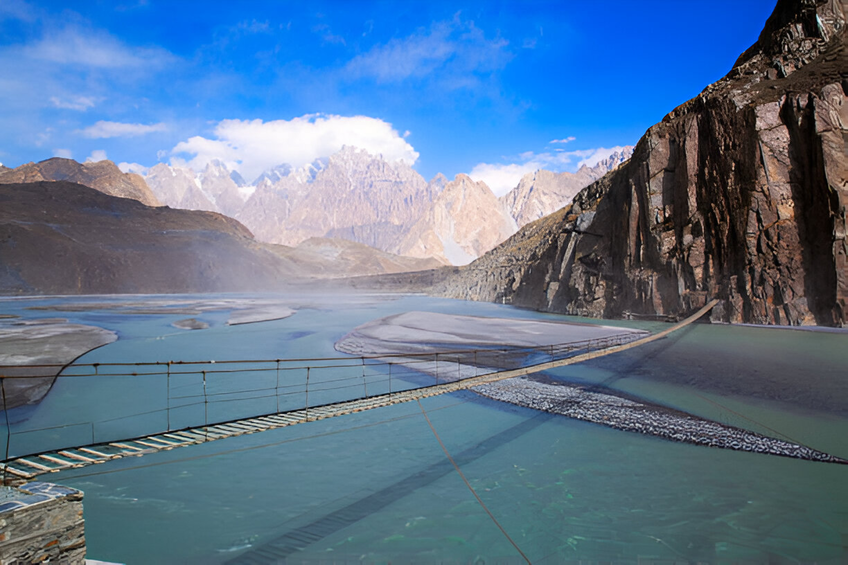
Often described as one of the most thrilling bridges in the world, the Hussaini Suspension Bridge spans a wide river gorge with wooden planks suspended between steel cables.
It looks intimidating. In reality, it is manageable — just windy and dramatic.
Crossing it offers a sensory experience: movement, height, sound of water below.
It’s not about danger. It’s about perspective.
7. Eagle’s Nest — The Signature Viewpoint
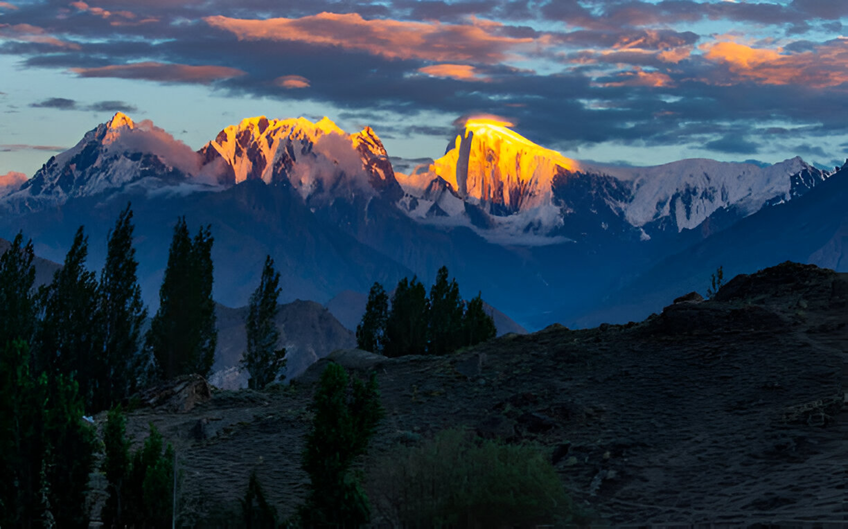
If you want to understand why Hunza is considered one of the most beautiful valleys in Pakistan, go to Eagle’s Nest at sunrise.
Located in Duikar village above Karimabad, this viewpoint offers panoramic visibility of Hunza’s most recognizable peaks.
- Rakaposhi
- Ultar Sar
- Diran Peak
- Golden Peak
Sunrise here unfolds gradually. Peaks catch light one by one. The valley floor brightens slowly.
Even travelers who skip other viewpoints rarely regret waking early for this. See the detailed Eagle’s Nest Sunrise & Sunset Guide for timing strategy.

8. Khunjerab Pass — The High Border Experience
Khunjerab Pass sits at nearly 4,700 meters, making it one of the highest paved international border crossings in the world.
Driving here along the Karakoram Highway feels expansive and dramatic. The landscape widens. Vegetation thins. Yaks graze in open fields. Air becomes noticeably thinner.
Standing at the border gate is symbolic — you’re at the northern edge of Pakistan.
If you’re planning Upper Hunza sightseeing, Khunjerab deserves a full-day allocation. Explore the Day Tour to Khunjerab Pass for route details.

9. Hopper Glacier — Ice Without Expedition
Across the river from Hunza lies Nagar Valley, home to Hopper Glacier.
Unlike remote multi-day glacier treks, Hopper offers relatively accessible glacier views without extreme trekking.
The contrast between grey ice and green terraces creates powerful compositions.
If your Hunza itinerary extends beyond 5 days, crossing into Nagar adds diversity.
10. Rakaposhi — The Mountain That Defines Hunza
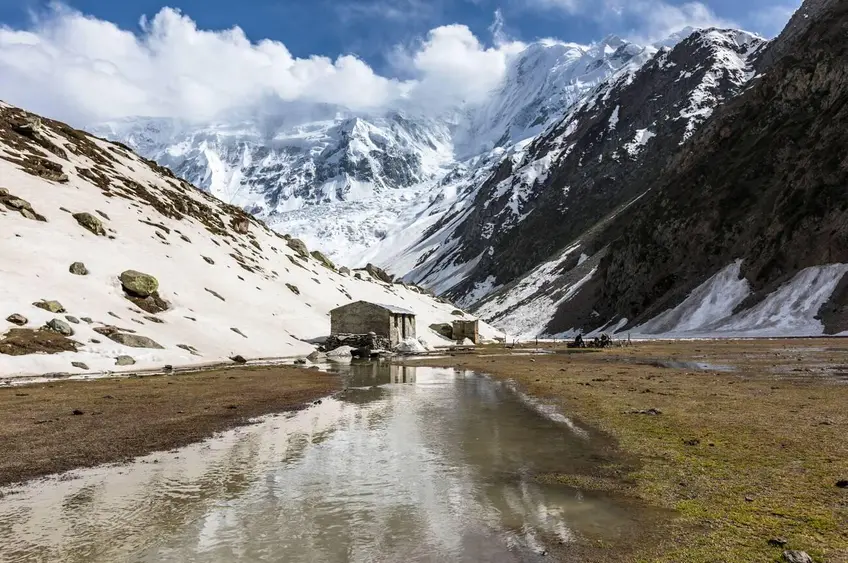
Rakaposhi is visible from multiple points across the valley. But visibility and proximity are different things.
From Karimabad, Rakaposhi feels majestic. From Nagar, it feels closer. From Rakaposhi Base Camp, it feels overwhelming.
If you are considering hiking, the Karimabad to Rakaposhi Base Camp Trek offers a deeper engagement with this iconic peak.
Even if you don’t trek, you will see Rakaposhi repeatedly during your stay. It becomes part of your mental map.
Structuring Your Hunza Sightseeing Smartly
Instead of trying to see all Hunza tourist places in one rushed loop, group them strategically. This structure prevents fatigue and reduces backtracking. Hunza is not large — but roads wind, and distances feel longer than they appear on maps.
Central Hunza Day
Karimabad, Forts & Eagle’s Nest
- Karimabad bazaar and village walks
- Baltit Fort and Altit Fort
- Eagle’s Nest sunrise or sunset
Upper Hunza Day
Attabad, Passu & Hussaini
- Attabad Lake boating and café time
- Passu Cones photography
- Hussaini Suspension Bridge
Highway Extension
Khunjerab Pass
- Early departure along the Karakoram Highway
- High-altitude border experience
- Return before evening light fades
Cross-River Day
Nagar & Hopper Glacier
- Nagar Valley viewpoints
- Hopper Glacier landscapes
- Optional Rakaposhi-focused exploration
Seasonal Planner 2026
Best Time to Visit Hunza Valley
When travelers ask, “What is the best time to visit Hunza?”, they usually expect one clear answer. There isn’t one. Hunza does not stay visually constant throughout the year. It shifts personality with every season.
Spring in Hunza
Apricot and cherry trees bloom across Karimabad, Altit and Gulmit. Fort walls sit framed by soft pink and white blossoms.
Summer in Hunza
The easiest season logistically. The Karakoram Highway remains open, Babusar Pass becomes accessible and Khunjerab is usually reachable.
Autumn in Hunza
Poplar trees turn deep gold, the air becomes sharper and mountain visibility improves significantly compared to summer haze.
Winter in Hunza
Snow-covered villages, quieter markets and deep solitude. Best for flexible travelers, not most first-time visitors.
| Travel Goal | Best Month | Why It Works |
|---|---|---|
| Blossoms | April | Apricot and cherry blossoms frame villages, forts and mountain views. |
| Easy access & road trips | June | Road reliability is high and most attractions are accessible. |
| Golden photography & clarity | Late September | Autumn color begins and mountain visibility improves. |
| Snow & solitude | January | Quiet winter landscapes suit flexible, experienced travelers. |
How Hunza Weather Affects Itinerary Planning
Understanding Hunza weather helps structure your days. In spring and autumn, mornings are clearer. Plan sunrise viewpoints early. In summer, afternoon light remains strong — lake visits work well midday. In winter, daylight hours shorten — compress your daily sightseeing.
Weather also affects road strategy. After heavy rain, landslides can temporarily disrupt sections of the Karakoram Highway. Always check local conditions before long drives toward Upper Hunza.
When Is the Best Time to Visit Hunza for First-Time Travelers?
For first-time visitors, the safest overall recommendation is late May through July. Road reliability is high, temperatures are comfortable, and all major attractions remain accessible. However, if your schedule allows flexibility and you prefer quieter landscapes, September may provide an even better balance.
Hunza does not disappoint in any season. It simply feels different.
Detailed Seasonal Notes for First-Time Travelers
Spring in Hunza: Cherry Blossom Season & Fresh Energy
Spring is when Hunza feels delicate. Apricot and cherry trees bloom across Karimabad, Altit, and Gulmit. Fort walls sit framed by soft pink and white blossoms. The valley, which looked bare in winter, suddenly feels alive.
Hunza weather in spring usually ranges between 10°C and 20°C during the day. Evenings remain cool, and layering is necessary — especially in March. The crowds are moderate, the light is gentle for photography, and the valley feels fresh after winter stillness.
Cherry blossom season typically peaks in early to mid-April, though exact timing varies slightly each year depending on snowfall and temperature patterns. If your goal is romance, photography, or a scenic retreat without peak-season chaos, spring is arguably the best time to visit Hunza. However, some higher passes may still carry snow in early spring.
Summer in Hunza: Full Accessibility & Road-Trip Season
Summer is the easiest season logistically. The Karakoram Highway remains fully open. Babusar Pass becomes accessible. Khunjerab Pass is reachable without snow disruption. Roads feel reliable.
Hunza temperature during summer typically ranges between 15°C and 25°C during the day. Nights cool down noticeably, especially in Upper Hunza. Summer offers stable weather, family-friendly travel, long daylight hours, and reliable jeep excursions.
It is also peak tourism season. Hotels in Hunza Valley fill quickly. Prices increase slightly. Markets feel busier. Popular viewpoints may attract more visitors. If you are planning your first northern Pakistan trip and want minimal weather uncertainty, summer is the safest choice. But if you prefer quiet landscapes, summer may feel lively rather than serene.
Autumn in Hunza: Golden Valleys & Crystal Visibility
Autumn might be the most visually dramatic season. Poplar trees turn deep gold. The air becomes sharper. Mountain visibility improves significantly compared to summer haze.
Hunza weather during autumn typically ranges between 5°C and 18°C. Early mornings feel cold but manageable. Autumn advantages include fewer tourists than summer, high mountain clarity, cinematic sunsets, and balanced road accessibility.
Many experienced travelers consider late September the best month to visit Hunza for photography. The golden foliage contrasts powerfully against snow peaks and blue skies. It feels structured and calm. If you want dramatic scenery without summer crowds, autumn often delivers the best balance.
Winter in Hunza: Snow, Silence & Limited Access
Winter transforms Hunza into a quieter, snow-covered valley. Temperatures frequently drop below freezing at night. Daytime highs remain low. Some higher routes, including Khunjerab, may close temporarily due to snowfall.
Hunza climate in winter suits travelers who value solitude over convenience. Markets quiet down. Villages slow. Snow reshapes rooftops and mountain ridges. Winter is not ideal for first-time visitors unfamiliar with mountain travel, but for those seeking peaceful landscapes without tourist density, it offers a completely different experience. Flexibility becomes essential during winter trips.
Road, Flight & Strategy
How to Reach Hunza Valley
Reaching Hunza is not just transportation. It’s part of the story.
The valley does not sit next to a highway exit. You move toward it gradually — from plains to hills, from hills to high ridges, from ridges into snow peaks.
Understanding how to reach Hunza properly helps you avoid fatigue and unnecessary stress.
Islamabad to Hunza Distance
600–700 km by road · 15–18 hours total
Most travelers split the journey into two days, stopping overnight in Naran, Chilas or Besham. It is possible to complete the journey in one long stretch, but it is not recommended for first-time visitors.
Via Karakoram Highway
Most popular route
Islamabad → Hazara Motorway → Mansehra → Besham → Chilas → Gilgit → Hunza. This is the classic road-trip route and one of the most scenic approaches to Gilgit-Baltistan.
Via Babusar Pass
Summer route only
Between late May and early October, this route connects Naran directly to Chilas through high alpine meadows. Babusar Pass closes completely during winter due to heavy snowfall.
Hunza by Air
Islamabad to Gilgit flight + 2.5–3 hour drive
Flying to Gilgit saves time, but flights are weather-dependent. Many experienced travelers fly north to reduce fatigue and return by road for the full Karakoram Highway experience.
Smarter Road Strategy
- Avoid night driving if unfamiliar with mountain roads.
- Refuel whenever the tank drops below half.
- Allow buffer time for roadwork or weather delays.
- Make your first arrival day a recovery day.
Flight Reality
- Gilgit flights can cancel because of mountain weather.
- Do not schedule tight onward commitments after arrival.
- Build flexibility into short itineraries.
- Still allow half a day to adjust to altitude.
| Trip Length | Best Travel Strategy | Why |
|---|---|---|
| 5 days | Fly to Gilgit | Saves essential time for sightseeing. |
| 7–9 days | Road travel becomes balanced | The journey becomes part of the experience. |
| Scenic driving focus | Take the road both ways | Best for travelers who enjoy long mountain drives. |
| Efficiency focus | Fly north, drive back | Reduces fatigue while preserving the Karakoram Highway experience. |
Carry sufficient cash before reaching Hunza. ATM availability exists but can be inconsistent during peak seasons. Mobile coverage is stable in Karimabad and Upper Hunza, though internet speed varies. Fuel stations exist along the route but are not frequent in remote stretches. Hunza is accessible — but it is still a mountain valley. Respecting logistics ensures the trip feels smooth rather than improvised.
Accommodation Strategy
Where to Stay in Hunza Valley
Choosing where to stay in Hunza Valley affects your entire trip more than most travelers expect. Hunza is long, not compact. Attractions stretch along the Karakoram Highway. Elevation changes between villages. Driving times feel longer than maps suggest.
Karimabad
The smart base for most first-time travelers. Walkable access to Baltit Fort, short drive to Altit Fort, nearby restaurants and easy departure toward Attabad Lake.
Duikar / Eagle’s Nest
Best for sunrise, uninterrupted mountain panoramas and photographers. Quieter, higher and more view-focused than Karimabad.
Upper Hunza
Gulmit, Passu and beyond. Best for quieter evenings, Passu Cones, Khunjerab access and 7+ day trips.
Types of Hunza Accommodation
Hunza’s hospitality scene has matured significantly by 2026. You’ll find family-run guesthouses, mid-range mountain hotels, premium boutique properties and eco-lodges with sustainability focus.
But it’s important to understand something: Hunza hotels are about location and view — not urban luxury. Power outages may still occur occasionally. Internet works but is not city-fast. Heating systems vary by property.
The charm lies in the mountain setting, not marble interiors. If you expect a five-star metropolitan experience, recalibrate. If you value scenery and sincerity, you’ll likely be impressed.
What “Best Hotels in Hunza” Actually Means
When travelers search “best hotels in Hunza,” they usually mean one of three things: best mountain view, best sunrise access or best overall comfort. It does not always mean international branding.
Some of the most memorable stays in Hunza Valley are locally owned properties where hosts share tea and ask about your daily plans. In Hunza, hospitality feels personal. That human layer often matters more than star ratings.
Book Early If Traveling During
- Cherry blossom season in April.
- Peak summer in June and July.
- Autumn foliage from late September to October.
- Dates when view-facing rooms sell out first.
Choose Your Base Based On
- Convenience in Karimabad.
- View and sunrise access in Duikar.
- Quiet immersion in Upper Hunza.
- Trip length and daily routing.
Accommodation, Booking & Tour Package Strategy
Seasonal Booking Strategy
Hunza accommodation demand spikes during cherry blossom season in April, peak summer in June and July, and autumn foliage from late September to October. During these months, Hunza Valley hotels book out early, view-facing rooms sell first, and rates increase moderately.
If your travel dates fall within these windows, confirm reservations at least 3–4 weeks in advance. Winter offers greater availability but fewer open properties, so availability alone should not be your only booking filter.
Budget Expectations for Hunza Hotels
Hunza remains affordable compared to many global mountain destinations. Budget guesthouses provide basic but comfortable stays. Mid-range hotels offer strong value for location and views. Premium boutique stays cost more — but still remain accessible internationally.
The largest cost variable in a Hunza Valley trip is often transport, not accommodation. Sharing jeep rides or traveling in small groups reduces expenses significantly. If budgeting carefully, allocate funds toward experiences like Khunjerab, lake boating, local meals and viewpoints rather than overpaying for room interiors.
When a Hunza Tour Package Makes More Sense
If you are unfamiliar with mountain logistics, booking a structured Hunza Valley tour package simplifies hotel coordination, transport planning, seasonal timing and daily routing. Options like the 5 Day Hunza Valley Tour, Hunza and Naltar Valley Tour, 7 Day Blossom Tour to Hunza Valley, and Autumn Tour to Hunza bundle accommodation and transport efficiently, especially during peak seasons.
Independent planning works well, but guided packages reduce friction. The choice depends on your confidence level. In a mountain valley, ease matters, and the right structure often makes the trip feel calmer, not less authentic.
Final Advice on Where to Stay in Hunza
Hunza does not overwhelm with endless hotel chains. It offers curated options shaped by geography. Choose your base based on convenience in Karimabad, view in Duikar, and quiet immersion in Upper Hunza. Match location with itinerary — and your mornings will feel easier.
Itinerary, Cost & Safety
Hunza Itinerary Design, Trip Cost, Safety & Final Verdict
Hunza is not a place you rush through. If you compress it too tightly, it feels like scenery passing by a car window. If you structure it well, it feels immersive and layered.
Smart Short Version
5-Day Hunza Valley Itinerary
- Day 1: Arrival and light exploration in Karimabad
- Day 2: Baltit Fort, Altit Fort, bazaar walk
- Day 3: Attabad Lake and Passu Cones
- Day 4: Khunjerab Pass or Nagar side excursion
- Day 5: Eagle’s Nest sunrise and departure
Balanced & Comfortable
7-Day Hunza Itinerary
- Two cultural days
- Two Upper Hunza days
- One Khunjerab day
- One glacier or trekking day
- One buffer day for weather and rest
Slow Hunza Experience
9-Day Hunza Itinerary
- Rakaposhi Base Camp trek
- Upper Hunza overnight stay
- Village exploration beyond main roads
- Leisure mornings without alarms
- Best for slow travelers and photographers
Hunza Valley Trip Cost — Realistic Budget Breakdown
Hunza is not ultra-cheap — but it is excellent value compared to global mountain destinations. The largest cost factors are transport, hotel category, private jeep excursions and season.
Accommodation in Hunza varies widely. Budget guesthouses remain affordable. Mid-range hotels offer strong value for views. Premium properties increase cost but still remain accessible internationally.
Transport often becomes the biggest variable. If traveling by road from Islamabad, fuel and tolls add up. Hiring a private driver increases convenience but also cost. Flying to Gilgit saves time but increases budget.
Jeep rentals for Khunjerab or Upper Hunza sightseeing also add to daily expenses. For mid-range travelers, a comfortable Hunza travel budget should account for accommodation, meals, transport, entry tickets, jeep fuel and miscellaneous snacks and tea stops.
Traveling in groups significantly reduces per-person transport costs. If budgeting tightly, focus on smart route planning rather than upgrading hotel interiors. Experiences matter more than marble floors.
Is Hunza Safe for Tourists?
Hunza is widely regarded as one of the safest destinations in Pakistan. Crime rates are low, tourist harassment is rare, and communities are educated and accustomed to visitors.
That said, mountain safety differs from city safety. Road awareness matters. Weather awareness matters. Altitude awareness matters. If you follow basic travel logic — avoid reckless driving, hydrate, respect local norms — Hunza feels calm and secure.
For solo travelers, including women, Hunza consistently ranks as the most comfortable region in northern Pakistan. Markets feel relaxed. Public spaces feel balanced. People are curious — not intrusive. Hunza’s safety reputation is not exaggerated. It is rooted in community culture.
Recommended Hunza Tours
Best Hunza Tour Packages for First-Time Travelers
If you are unfamiliar with mountain logistics, booking a structured Hunza Valley tour package simplifies hotel coordination, transport planning, seasonal timing and daily routing. Independent planning works well — but guided packages reduce friction, especially during peak months.
5 Day Hunza Valley Tour – Explore Historic Forts, Lakes & Peaks
A balanced introduction to Central Hunza, historic forts, Attabad Lake, viewpoints and classic mountain scenery.
View Tour
Hunza and Naltar Valley Tour (5 Days)
A strong option for travelers who want Hunza’s main highlights with a scenic Naltar Valley extension.
View Tour
7 Day Blossom Tour to Hunza Valley – Cherry & Apricot Bloom Experience
Designed for April travelers who want blossoms, forts, village walks and soft seasonal photography.
View Tour
Autumn Tour to Hunza – 7 Days of Fall Foliage & Culture
Best for late September and October travelers who want golden poplars, clear peaks and calmer roads.
View Tour
Day Tour to Khunjerab Pass – Explore the Karakoram Highway
A focused day trip for travelers who want the high border experience, Upper Hunza scenery and KKH landscapes.
View Tour
Karimabad to Rakaposhi Base Camp Trek
For travelers ready to step beyond viewpoints and experience Rakaposhi from closer mountain terrain.
View TourIndependent Travel vs Hunza Tour Package
Planning Hunza independently works well for confident travelers. If you are comfortable arranging transport, checking road conditions, communicating with hotels, and adjusting plans when weather changes, the valley is manageable and rewarding on your own.
However, a Hunza Valley tour package simplifies hotel booking, transport coordination, daily routing, seasonal timing and unexpected road adjustments. That matters most for families, first-time northern Pakistan travelers, short trips, and peak-season visits when hotels and drivers become harder to arrange at the last minute.
Structured tours do not have to feel rushed. The right Hunza itinerary should still leave room for tea stops, photography pauses, village walks and slow mornings. The goal is not to remove flexibility. The goal is to remove avoidable stress.
If this is your first mountain trip in Pakistan, structured planning reduces uncertainty significantly. If you already know the region, independent travel gives you more freedom. Both approaches work. The smarter choice depends on how much responsibility you want to carry during the trip.
Think of Hunza as a destination that rewards sequencing. A good plan moves from Central Hunza culture to Upper Hunza scenery, then adds Khunjerab or Nagar once you have settled into the valley. That order keeps the trip natural, reduces backtracking, and helps first-time travelers understand why Hunza feels less like one attraction and more like a complete mountain region.
Who Should Choose Hunza?
Hunza Is Ideal For
- First-time northern Pakistan travelers
- Couples seeking a scenic retreat
- Families traveling with children
- Solo travelers prioritizing safety
- Photographers who want variety and accessibility
Hunza May Not Suit
- Nightlife seekers
- Ultra-luxury resort travelers
- Ultra-fast itinerary travelers
- Visitors who want only remote wilderness
- Travelers unwilling to slow down
Seasonal Boosters
- Cherry blossom season from late March to April
- Summer road reliability in June and July
- Autumn foliage from late September to October
- Winter solitude for flexible travelers only
Hunza Valley Travel Guide FAQs
How many days are enough for Hunza Valley?
Five days is the smart short version, while seven days is the best balanced itinerary for first-time visitors. Nine days works beautifully if you want a slow trip with Upper Hunza, Nagar and trekking add-ons.
What is the best time to visit Hunza?
April is best for cherry blossoms, June and July are best for easy road access, and late September to October is best for autumn colors and mountain visibility.
Where should first-time travelers stay in Hunza?
Karimabad is the most practical base for most first-time travelers because it gives easy access to Baltit Fort, Altit Fort, restaurants, cafés, viewpoints and day trips toward Upper Hunza.
Is Hunza safe for tourists?
Yes. Hunza is widely regarded as one of the safest destinations in Pakistan. Crime is rare, tourist harassment is uncommon, and the local community is accustomed to visitors. Road, weather and altitude awareness still matter.
Can Hunza be visited by air?
Yes. Travelers can fly from Islamabad to Gilgit and then drive around 2.5 to 3 hours to Hunza. The flight is scenic but weather-dependent, so buffer time is recommended.
Is Hunza worth visiting in 2026?
Yes. Hunza stands out because it combines scenic depth, cultural heritage, road accessibility, social safety, photographic variety and manageable altitude. It is one of the strongest introductions to Gilgit-Baltistan.
Final Verdict — Is Hunza Worth Visiting in 2026?
Yes.
But not because it is “the most beautiful place in Pakistan.” Many valleys are beautiful.
Hunza stands out because it is balanced. It combines scenic depth, cultural heritage, road accessibility, social safety, photographic variety and manageable altitude. Few destinations offer all six together.
If you are choosing between northern valleys and want the safest, most structured introduction to Gilgit-Baltistan, Hunza is the logical starting point.
It is accessible without being commercialized. It is scenic without being chaotic. It feels calm — without feeling empty.
Hunza does not overwhelm. It settles into you slowly. And that is exactly why people return.
