
Hunza Culture & Food Guide
Hunza Foods You Must Try
A complete 2026 guide to Hunza Valley’s famous dishes, traditional food culture, seasonal eating, cafés, guesthouse meals, food souvenirs and the best local dishes to taste during your trip.
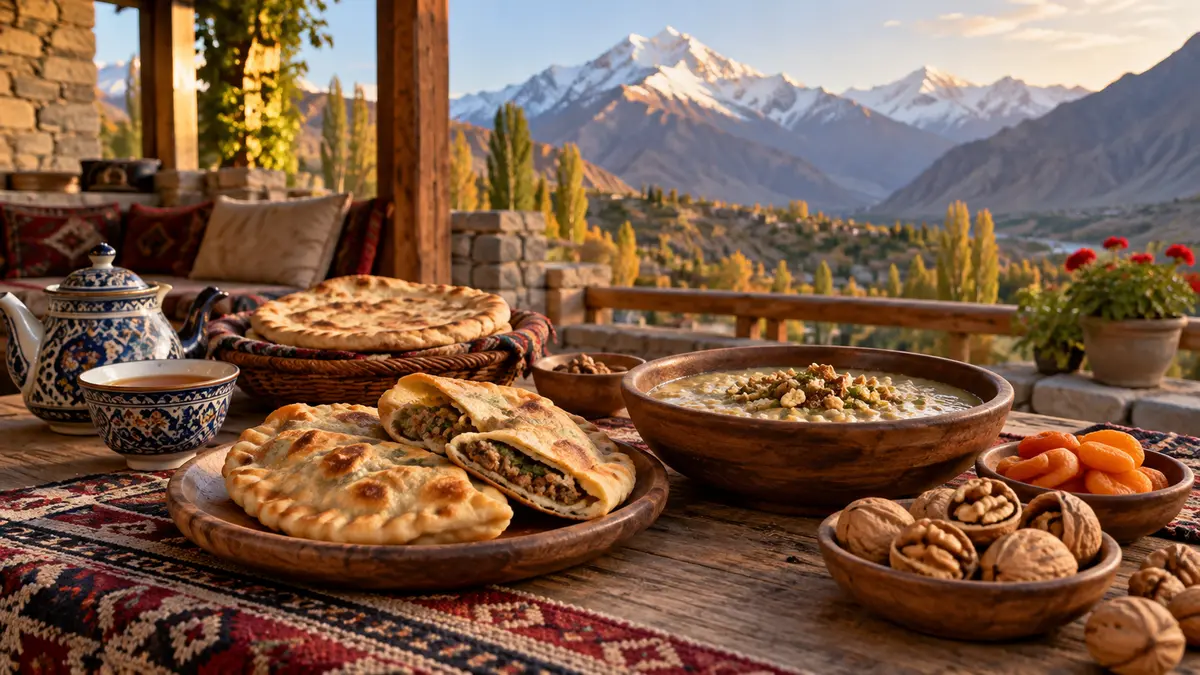
Why Hunza Food Deserves Your Attention
If you ask travelers what Hunza Valley is famous for, most will talk about mountains, lakes, peaceful villages, forts, the Karakoram Highway and views of Rakaposhi. Food often comes later, almost as an afterthought. That is a mistake.
Food in Hunza Valley is not just nourishment. It is survival knowledge, seasonal wisdom and cultural memory passed quietly through generations. You do not encounter Hunza food in flashy restaurants or dramatic plating. You encounter it in warm kitchens, roadside cafés, family-run guesthouses and village dining rooms, often served without menus and without much explanation.
This guide is written to help you understand what Hunza people actually eat, which dishes are truly local, what is adapted for visitors, where to try the best food, what to buy as souvenirs and how to eat respectfully while traveling through the valley.
By the end, you will be able to taste Hunza properly, not just photograph it.
Quick Food Snapshot
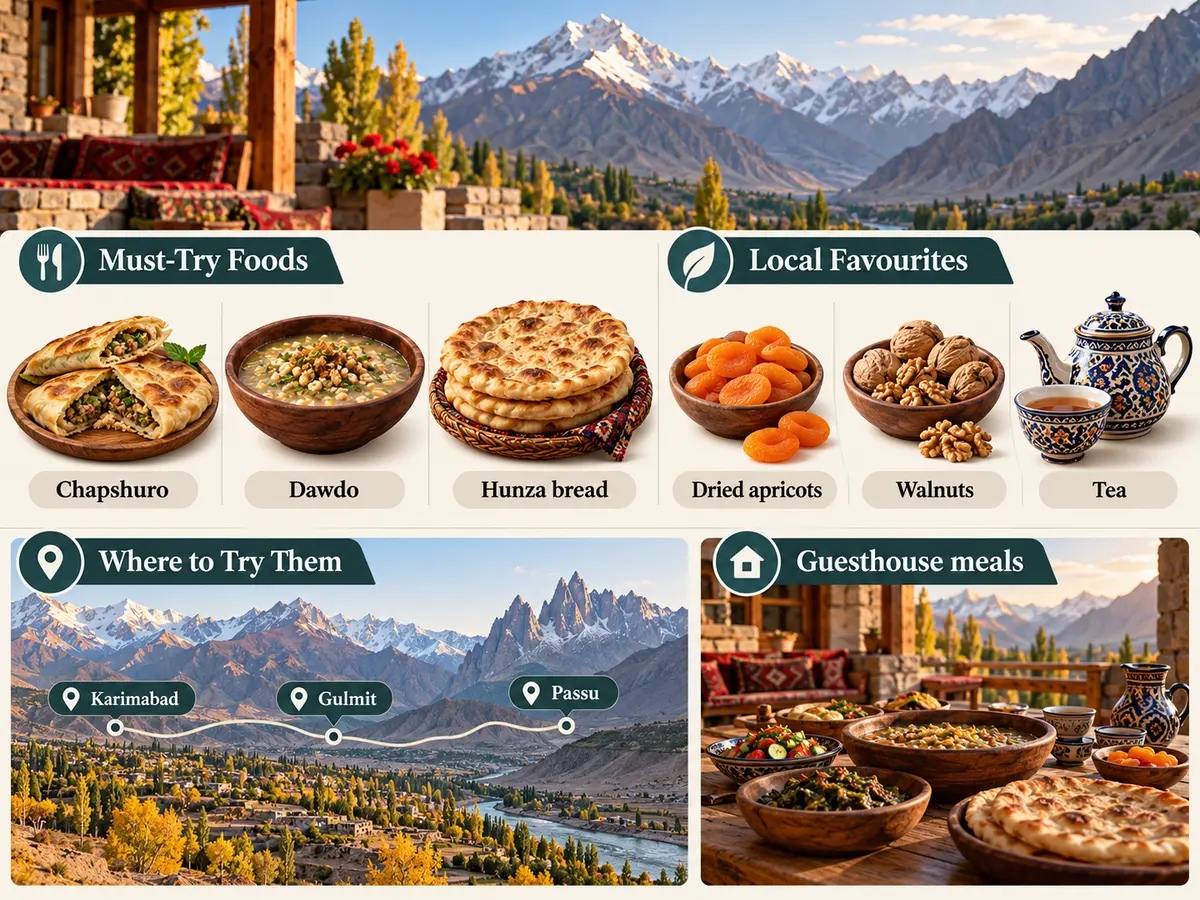
Hunza Food in 60 Seconds
If you only remember one thing, remember this: Hunza food is not designed for show. It is designed for mountain life, cold weather, walking, storage and hospitality.
Most Famous Dish
Chapshuro — Hunza’s pan-cooked meat pie, usually filled with minced meat, onions, herbs and mild spices.
Best Comfort Food
Dawdo, a warming noodle soup that feels perfect after cold walks, winter evenings and long road journeys.
Best Food Souvenirs
Dried apricots, apricot oil, walnuts, almonds, mulberries, mountain honey and herbal teas.
Best Areas to Eat
Karimabad for traditional dishes, Gulmit for cafés, Passu for grills and guesthouses for home-style meals.
Vegetarian Friendly?
Yes. Many traditional breads, soups, pancakes, teas, dairy sides and vegetable dishes are naturally vegetarian.
Best Travel Style
Slow travel. Hunza food rewards travelers who pause, ask questions, accept tea and try seasonal dishes.
- Why Hunza food tastes different
- What Hunza people eat daily
- 11 iconic Hunza foods you must try
- Hunza food by season
- Fruits, dry fruits and food souvenirs
- Where to eat Hunza food
- Best food areas in Hunza
- Hunza food etiquette
- Is Hunza food healthy?
- Vegetarian-friendly Hunza foods
- Common ingredients and cooking methods
- Simple one-day Hunza food route
- Specific food spots and what they are best for
- Recommended Hunza tours for food lovers
- FAQs
Why Hunza Food Tastes Different
It Is Not Just Northern Pakistani Food
Many first-time visitors assume Hunza food is simply a colder-climate version of Pakistani cuisine. In reality, it is different in ingredients, cooking methods, spice level and purpose.
Hunza food is shaped by short growing seasons, long winters, limited farmland and a walking-based mountain lifestyle.
Instead of heavy spice blends, Hunza cuisine depends on grains, local butter, yogurt, herbs, soups, dried fruits and simple cooking. The flavor is not loud. It is clean, earthy, filling and often surprisingly gentle.
The food system is shaped by geography. Short summers mean fresh produce must be used wisely. Long winters mean fruits are dried, grains are stored and energy-rich meals matter. There is no concept of year-round abundance in the traditional Hunza kitchen. What grows in season is celebrated; what can be preserved is saved.
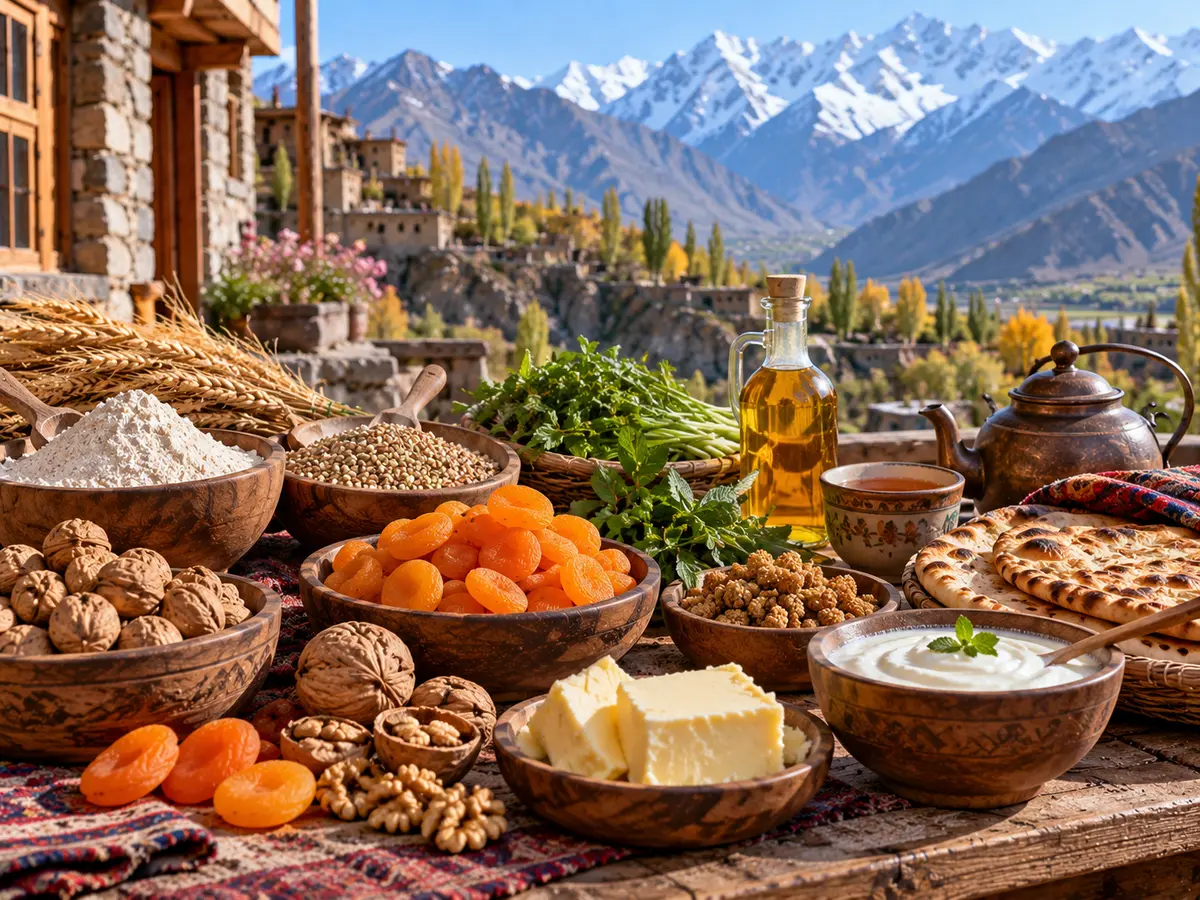
This is why the same ingredients appear in many forms. Wheat and buckwheat become breads, pancakes, noodles and energy foods. Apricots appear fresh in summer, dried in winter and pressed into oil. Dairy appears with bread, tea, soup and household meals. Variety comes less from spice and more from texture, temperature, season and form.
Mountain Logic
Hunza food developed for high-altitude life, walking, cold evenings and limited farmland. It is practical before it is decorative.
Mild Flavors
Traditional dishes are usually less spicy than mainstream Pakistani food. Warmth comes from grain, butter, broth and slow cooking.
Seasonal Wisdom
Fresh fruit, dried fruit, stored grains, dairy and soups follow the valley’s short summers and long winters.
What Hunza People Eat Daily
Traditional daily eating in Hunza is built around consistency rather than elaborate meals. Bread, tea, grains, soups, dairy and seasonal produce form the foundation.
Breakfast
Breakfast is usually warm, simple and functional. Local bread, butter, apricot oil, tea, yogurt or light leftovers are common. It is designed to fuel the morning, not slow it down.
Lunch & Dinner
Lunch and dinner often revolve around bread-based dishes, soups, broths, seasonal vegetables and grain-heavy meals. Meat appears more often in winter, special occasions and guest meals.
Snacks
Dried apricots, walnuts, almonds, mulberries and tea are common. These are not luxury snacks; they are practical foods that store well and provide energy.
Local Dishes
11 Iconic Hunza Foods You Must Try
Hunza food grows on you quietly — one warm bowl, one fresh bread and one cup of tea at a time. These dishes matter because they are actually eaten, not just photographed for tourists.
Chapshuro
Chapshuro is Hunza’s most loved meat pie. It is usually filled with minced beef, yak meat or local meat, onions, herbs and mild spices, then cooked flat on a pan.
- Taste: Crispy outside, juicy inside, savory and lightly spiced.
- Best time: Lunch or early dinner, especially in cool weather.
- Why it matters: It shows how simple ingredients become filling social food.
Dawdo / Doudo
Dawdo is a warming noodle soup made with handmade noodles, wheat flour base, light seasoning and sometimes vegetables or meat.
- Taste: Soft, warm, grounding and not spicy.
- Best time: Evening meals, winter nights and early spring.
- Vegetarian: Commonly available without meat.
Gyaling / Gral / Go-Lee
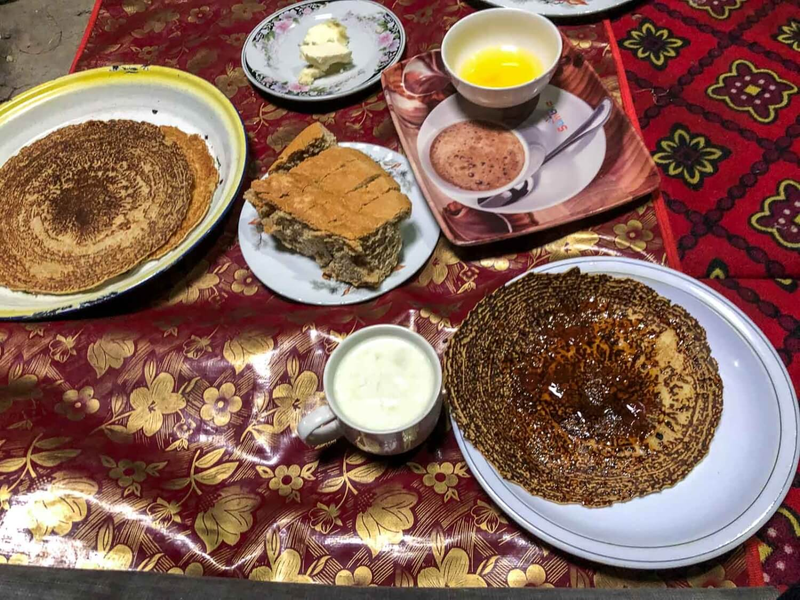
Gyaling is a buckwheat pancake-style bread. It is one of the older food forms in Hunza and can taste earthy, nutty and slightly bitter.
- Best pairing: Butter, yogurt, soup or tea.
- Best time: Breakfast or a light meal.
- Why it matters: Buckwheat grows well in mountain climates.
Buroshapik / Burus Berikutz
This is a Hunza-style noodle dish, usually handmade and lightly tossed with butter, oil, vegetables or yogurt-based sides.
- Taste: Mild, chewy and comforting.
- Best time: Lunch or dinner in all seasons.
- Vegetarian: Usually easy to find without meat.
Diram Pitti / Diram Fitti
Diram Pitti is a traditional energy food made from crushed wheat or barley, butter or oil, and sometimes light sweetness.
- Taste: Dense, slightly sweet and very filling.
- Best time: Morning, midday or work-heavy days.
- Why it matters: It is fuel food, not dessert.
Pitti / Putok
Hunza bread is not one thing. It appears in several forms, often flat, dry-cooked or lightly baked, and eaten fresh with nearly every meal.
- Taste: Neutral, wholesome and best with butter or soup.
- Best time: Every meal.
- Why it matters: Bread is the backbone of Hunza food.
Hoilo Garma / Hoee Lo Garma
This dish varies by household but usually includes flour or grains, butter or ghee and slow cooking. It is soft, rich and warming.
- Best time: Cold months.
- Vegetarian: Usually yes.
- Why it matters: It feels like home food, not restaurant food.
Harissa
Harissa is a heavy winter dish often slow-cooked with wheat, meat and butter. It is rich, creamy and deeply warming.
- Best time: Winter and special gatherings.
- Vegetarian: No.
- Why it matters: It is often cooked for groups, not one person.
Molida
Molida is a traditional sweet energy food made from flour, butter or oil, and sometimes nuts. It is soft, dense and very filling.
- Best time: Winter, after walks or hard work.
- Vegetarian: Yes.
- Why it matters: Sweetness here supports energy, not indulgence.
Tumoro Tea
Tea in Hunza is not rushed. Tumoro tea may include local herbs and is usually sipped slowly in homes, cafés and guesthouses.
- Taste: Earthy, calming and warming.
- Best time: Morning, evening or any pause in the day.
- Why it matters: Tea is hospitality in liquid form.
Yak Meat
Yak meat is not an everyday food. It appears in colder regions, special occasions and select roadside or mountain-view grills.
- Taste: Lean, slightly gamey and rich.
- Best time: Winter or high-altitude travel days.
- Why it matters: It reflects adaptation to extreme environments.
What Most Travelers Miss About Hunza Food
Many visitors eat Chapshuro once, drink tea, take a few photos and move on. That is not wrong, but it is incomplete.
Hunza food is not about checking items off a list. It is about noticing patterns: breads repeated across meals, soups appearing when the evening turns cold, dried fruits served like everyday nutrition, and tea offered as a form of welcome.
The best Hunza food experiences often happen outside the most obvious restaurant setting. A guesthouse dinner, a tea invitation, a village kitchen, a roadside Chapshuro stop or a quiet café after visiting Attabad Lake can be more memorable than a polished meal with a long menu.
Hunza Food by Season
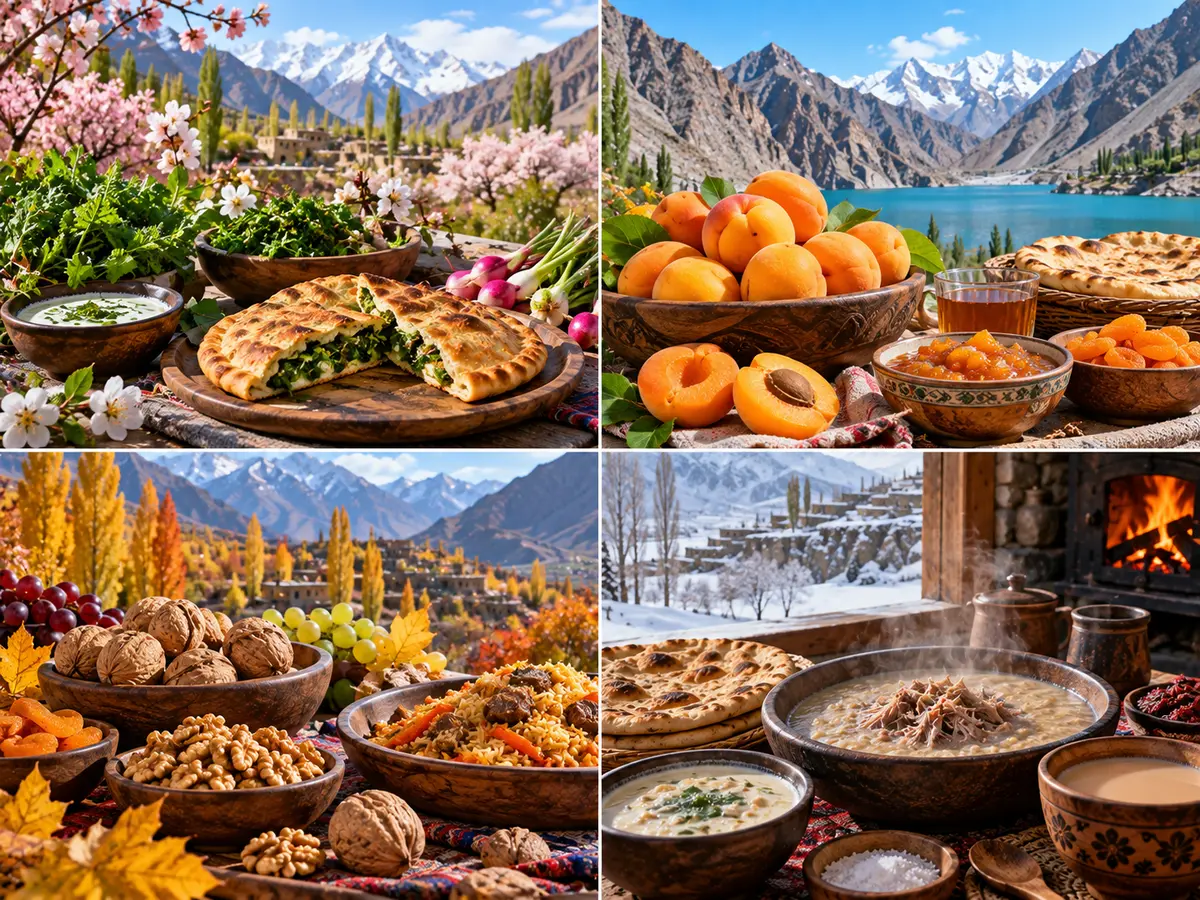
Hunza food is inseparable from season. Unlike city restaurants where menus stay similar year-round, Hunza’s food changes quietly with the land.
Spring
Fresh herbs, early vegetables, simple soups, bread with butter or yogurt and tea with stored dried fruits become common after winter.
Summer
Fresh apricots, mulberries, yogurt, lighter breads, vegetable dishes and café food become easier to find.
Autumn
Harvest and storage season brings dried apricots, walnuts, thicker soups and heavier breads as the valley prepares for winter.
Winter
Harissa, thick soups, bread with butter, dried fruits and grain-heavy meals dominate because warmth and energy matter most.
Hunza Fruits, Dry Fruits & Food Souvenirs
The Real Food Treasure of Hunza
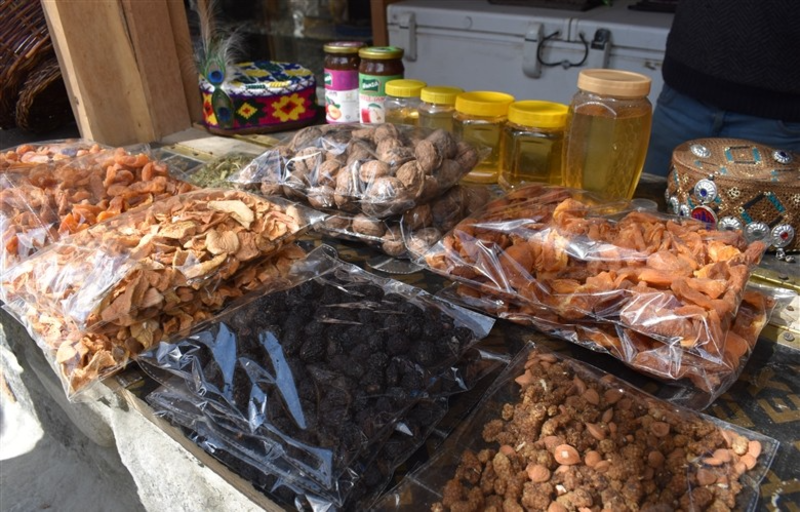
If Hunza is famous for one food category beyond bread and tea, it is fruit. Apricots are everywhere: fresh in summer, dried for winter, crushed into paste, pressed into oil and sold as souvenirs.
Walnuts, almonds and mulberries are also important. They are often sold simply, without polished packaging. Freshness matters more than branding.
Best Food Souvenirs
- Dried apricots packed airtight for travel.
- Apricot oil in small bottles.
- Walnuts, almonds and dried mulberries.
- Mountain honey when available from reliable sellers.
- Herbal teas gathered from local hillsides.
Buy Carefully
- Ask whether apricot oil is for cooking, skincare or both.
- Choose sealed packaging for long-distance travel.
- Smell dried fruit before buying large quantities.
- Compare prices in Karimabad, Aliabad and Gulmit.
- Avoid overly polished products with unclear origin.
Best Places to Buy
Village shops, trusted bazaars and local sellers in Karimabad, Aliabad and Gulmit are usually better than generic roadside stalls far from Hunza.
What Travels Best
Dried apricots, walnuts, almonds, mulberries, sealed apricot oil and herbal tea are easier to carry than fresh dairy or soft breads.
Longevity Claims
You may hear that Hunza people live long because of secret foods. The reality is more grounded: active lifestyle, seasonal eating and low processed food intake.
Where to Eat Hunza Food
Hunza is not a place where food hides behind polished menus. You eat well by choosing the right area and knowing what each place does best.
| Area | Best For | What to Try | Travel Style |
|---|---|---|---|
| Karimabad | First-time visitors and traditional food | Chapshuro, Dawdo, Hunza breads, local tea | Families, couples, curious food travelers |
| Aliabad | Highway-friendly meals and practical stops | Tea, bread, Chapshuro, rice or lentil meals | Road trips, transit meals, quick stops |
| Gulmit | Quiet cafés and slow eating | Tea, light snacks, bread-based dishes | Attabad day trips, café lovers, slow travelers |
| Passu | Mountain views and hearty food | Grilled items, yak meat when available, tea | Hikers, photographers, Upper Hunza routes |
| Guesthouses | Home-cooked meals and seasonal dishes | Soups, breads, local vegetables, family recipes | Authentic food experiences |
Best Food Areas in Hunza
Karimabad — Best for First-Time Visitors
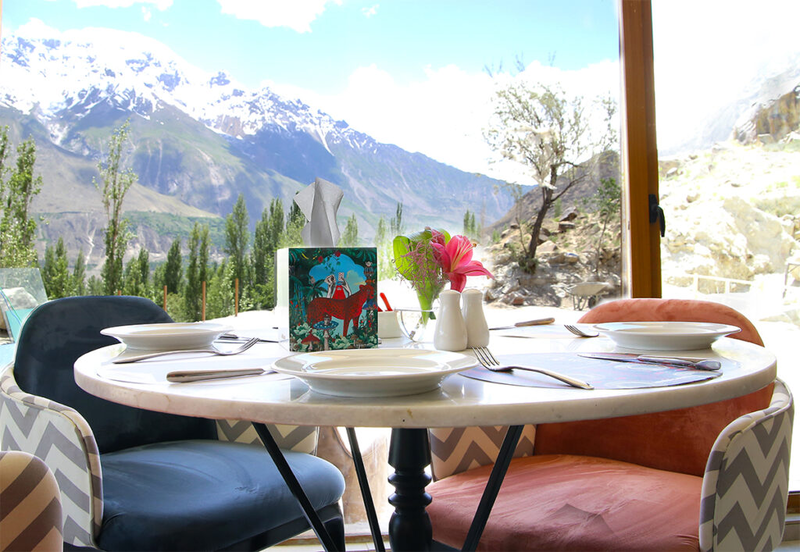
Karimabad is the safest starting point if you are new to Hunza cuisine. It has the most traveler-friendly food environment, better menu clarity, comfortable seating and access to traditional dishes without needing to search deeply.
Places such as Hunza Food Pavilion and Highland Cuisine are useful because they introduce visitors to Chapshuro, Dawdo, local breads, soups and tea in a setting that feels accessible.
Aliabad
Aliabad is practical rather than romantic. It works well for quick meals, tea stops and filling food during long drives. Choose simple dishes instead of expecting a curated food experience.
Gulmit
Gulmit is calmer and ideal for tea, light meals and café-style pauses. It pairs naturally with Attabad Lake, village walks and slow Upper Hunza days.
Passu
Passu is where food meets landscape. Grills, tea stops and mountain-view meals feel memorable because of the setting. Yak Grill-style stops are popular for good reason.
Guesthouses
Some of the best food is never publicly listed. If your host offers dinner, say yes. Guesthouse meals often reflect daily Hunza eating better than restaurants do.
Hunza Food Etiquette
Hunza food is not only about what you eat. It is about how you eat, where you eat and how you respond to hospitality.
Do
- Accept tea when possible; it is a gesture of welcome.
- Eat modestly and thank sincerely.
- Ask politely about local dish names and ingredients.
- Say yes to guesthouse dinners if you want authentic food.
- Respect shared meals and family-style serving.
Avoid
- Do not expect every meal to be spicy or restaurant-style.
- Do not dismiss simple breads and soups as boring.
- Do not repeatedly refuse food without explanation.
- Do not photograph private meals without asking.
- Do not compare every dish to city Pakistani cuisine.
Tea Matters
Tea is often more about conversation than the drink itself. Accepting it politely is one of the easiest ways to respect local hospitality.
Meals Take Time
Food may take longer because it is prepared fresh. Traditional meals should not be rushed between viewpoints.
Simple Appreciation Works
A sincere thank you matters more than exaggerated praise. Hunza hospitality is warm but often quiet.
Is Hunza Food Healthy?
Hunza is often romanticized as a place of extreme longevity tied to secret diets. That story oversimplifies reality.
Hunza food can be genuinely nutritious because it includes whole grains, seasonal vegetables, soups, broths, dried fruits, nuts, dairy and relatively low processed food exposure. But some dishes are also calorie-dense because they are designed for cold climates and active lives.
For travelers, the healthiest approach is balance. Pair breads with soups or vegetables, eat heavy dishes earlier in the day, drink enough water at altitude and avoid treating butter-rich winter foods like casual snacks.
Hunza food supports health when eaten as intended: seasonally, slowly and in the context of movement.
Naturally Nutritious
- Seasonal vegetables and herbs.
- Whole grains and bread-based foods.
- Soups and broths in cold weather.
- Dried fruits and nuts in small portions.
- Low processed food in traditional meals.
Still Heavy
- Butter and ghee appear often in winter dishes.
- Bread-heavy meals can be filling quickly.
- Harissa and Molida are energy foods, not light meals.
- Portion control matters if you are not walking much.
- Restaurant versions may be heavier than home versions.
Vegetarian-Friendly Hunza Foods
Hunza is surprisingly vegetarian-friendly compared to many mountain regions. Many traditional dishes are naturally vegetarian or can easily be prepared without meat.
Dawdo
Ask for noodle soup without meat. It is warming, simple and usually easy to prepare as a vegetarian dish.
Gyaling
Buckwheat pancake-style bread, best with butter, yogurt, soup or tea.
Pitti / Putok
Traditional breads that can be eaten with tea, soup, butter, yogurt or vegetable dishes.
Diram Pitti
A dense, filling energy bread made from grains and butter or oil.
Vegetable Soups
Seasonal soups work well for cold evenings and light meals.
Tea, Dairy & Fruit
Tea with bread, yogurt sides, dried apricots, walnuts and mulberries are easy vegetarian staples.
Common Ingredients & Cooking Methods
Recognizing basic ingredients helps you understand menus, guesthouse meals and local dish names more confidently.
| Ingredient / Method | How It Appears | Why It Matters |
|---|---|---|
| Wheat & Buckwheat Flour | Breads, pancakes, noodles, energy foods | The backbone of daily meals and winter survival foods |
| Butter, Ghee & Apricot Oil | Breads, soups, energy dishes, winter meals | Adds warmth, calories and flavor in cold climates |
| Yogurt & Dairy | Sides, drinks, bread pairings, cooling elements | Balances heavier bread and grain-based meals |
| Dried Apricots & Nuts | Snacks, winter nutrition, souvenirs | Preservation is central to Hunza food culture |
| Slow Cooking | Soups, Harissa, winter dishes | Creates warmth and softness without heavy spice |
| Pan-Cooked Breads | Gyaling, Pitti, Putok, daily bread | Practical for home kitchens and mountain life |
How to Taste Hunza Properly in One Trip
The best way to experience Hunza food is not to treat it like a restaurant checklist. If you rush through the valley trying to “cover” every dish in two days, most of the food will feel repetitive. The breads will seem similar, the soups will seem plain and the tea will feel ordinary. Hunza food opens slowly because it belongs to a slow place.
A better approach is to connect food with the rhythm of your day. Eat Chapshuro when you are actually hungry after a walk or road journey. Drink tea when the sun drops behind the mountains. Try Dawdo when the evening is cold. Buy dried apricots when you understand how important preservation is in a place with long winters. Say yes to a guesthouse dinner when you have time to sit, talk and eat without rushing to the next viewpoint.
For first-time visitors, the ideal food plan is simple. Start in Karimabad with a traditional meal so you learn the names of the dishes. Use Aliabad only when you need practical food during a road transfer. Save Gulmit or Attabad for tea, snacks and slower café moments. Keep Passu for a hearty mountain-view meal, especially if you are doing a short walk, visiting viewpoints or continuing toward Khunjerab.
This approach prevents the most common disappointment: eating the right food at the wrong moment. A dense winter dish can feel too heavy at midday in summer. A light café snack can feel disappointing after a cold day. A simple tea can feel unforgettable if it comes at the right pause in the journey.
Start With Chapshuro
Choose Chapshuro for your first proper Hunza meal because it is familiar enough for most travelers but still strongly local. It gives you a bridge between comfort food and regional food culture.
- Best in Karimabad, Aliabad or Passu.
- Works well after a road journey.
- Ask whether the filling is beef, yak, chicken or vegetable.
Try Dawdo or Soup on a Cold Evening
Do not judge Hunza soups in hot weather or when you are not hungry. They make sense on a cold evening, after walking or when you want something gentle after travel.
- Best in spring, autumn and winter.
- Good for vegetarian travelers.
- Pair with local bread rather than ordering too much.
Make Tea a Real Stop
Tea should not be treated like a quick drink in Hunza. It is a social pause. Give it time, especially in Gulmit, Passu, Karimabad or a guesthouse setting.
- Order local herbal tea if available.
- Pair with dried apricots, bread or nuts.
- Use tea stops to slow down the itinerary.
Specific Food Spots & What They Are Best For
Food names are useful, but place matters too. Some restaurants are better for traditional variety, some for simple comfort, some for tea, and some for the view.
The goal is not to declare one place “the best,” but to match the place with the experience you want.
Hunza Food Pavilion
Best for travelers who want to try several traditional dishes in one place. This is a practical introduction to Chapshuro, Dawdo, local breads and tea without needing to search village kitchens or decode unfamiliar names.
Highland Cuisine
Best for warm, filling, home-style meals. It works well when you want comfort rather than variety. Soups, bread-based dishes and seasonal foods usually make more sense here than complicated orders.
Bozlanj Cafe
Best for tea, light snacks and a slower Gulmit-style pause. This type of café works beautifully after Attabad Lake, a short village walk or before continuing toward Passu.
Yak Grill
Best for a mountain-view food memory. The attraction is not only the food but the setting. Grilled items, yak meat when available and tea feel stronger because Passu’s landscape surrounds the meal.
Common Mistakes Travelers Make With Hunza Food
Most food disappointments in Hunza come from expectations, not from the food itself. Travelers arrive expecting spice, variety, speed or restaurant polish. Hunza offers something different: warmth, simplicity, seasonality and patience.
Common Mistakes
- Eating only Chapshuro and assuming you understand Hunza food.
- Expecting every dish to taste like mainstream Pakistani food.
- Skipping soups because they look too simple on the menu.
- Ordering heavy winter foods during warm sightseeing days.
- Ignoring guesthouse meals in favor of only cafés and restaurants.
Better Approach
- Try one bread, one soup, one tea and one dried fruit item.
- Ask what is seasonal instead of only asking what is famous.
- Eat heavy dishes after walking or in the evening.
- Accept tea invitations when time allows.
- Buy food souvenirs from local shops with clear origin.
Menu Reality
Some dishes may not be available every day, especially outside peak season or in smaller guesthouses.
Timing Matters
Simple food often tastes better when eaten in the right weather, after a walk or during a proper pause.
Advance Notice Helps
Guesthouse meals and traditional dishes may need advance notice because they are prepared fresh.
A Simple Food Route for a Hunza Day
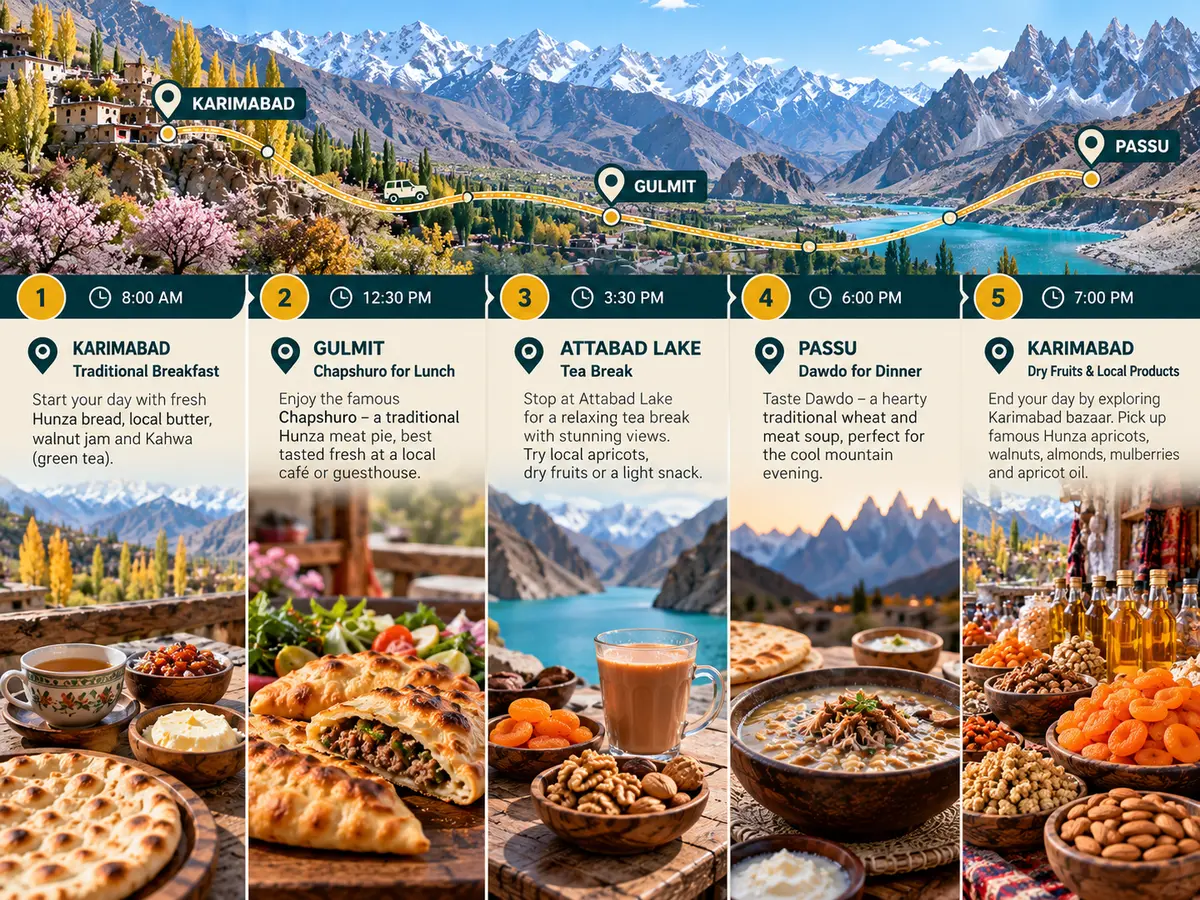
If you want to experience Hunza food naturally in one travel day, use your route instead of forcing separate restaurant stops. This keeps the day relaxed and lets food support the itinerary instead of interrupting it.
| Time of Day | Where to Eat | What to Try | Why It Works |
|---|---|---|---|
| Morning | Guesthouse or Karimabad | Local bread, butter, tea, dried fruits | Light, warm and practical before sightseeing |
| Midday | Karimabad or Aliabad | Chapshuro or simple local meal | Filling enough for a road or village day |
| Afternoon | Gulmit or Attabad | Tea, café snacks, dried apricots | Pairs naturally with lake views and slower stops |
| Evening | Guesthouse or traditional food spot | Dawdo, soup, bread, seasonal dish | Best time for warming foods and slower meals |
| Before Leaving | Karimabad, Aliabad or Gulmit shops | Dried apricots, apricot oil, walnuts, herbal tea | Easy to pack and meaningful as souvenirs |
How to Order Hunza Food Respectfully
Ordering food in Hunza is usually simple, but the experience improves when you ask with patience instead of expecting a fixed restaurant script. Many traditional dishes are prepared according to season, household style, ingredients available that day and the time needed to cook properly.
When you arrive at a small restaurant or guesthouse, start by asking what is fresh or what local dish they recommend today. This often works better than demanding one specific dish from a list you saw online.
If you are vegetarian, say so clearly and early. If you cannot eat meat, ask whether the soup or bread dish can be prepared without meat. In Karimabad and Gulmit, this is usually manageable. In smaller places, flexibility helps.
For travelers with sensitive stomachs, Hunza food is generally gentle because it is not heavily spiced. Still, go slowly with butter-heavy dishes, winter foods and unfamiliar dairy.
Useful Questions
- What local dish is fresh today?
- Can this be made without meat?
- Is this dish heavy or light?
- How long will it take to prepare?
- Do you have local tea or dried apricots?
Good Travel Habits
- Order early if you want home-style food at a guesthouse.
- Keep cash for small cafés and village shops.
- Do not expect every dish to be available off-season.
- Ask before photographing kitchens or private meals.
- Leave time for food instead of rushing between viewpoints.
Recommended Hunza Tours for Food Lovers
These Hunza-focused trips are suitable for travelers who want to combine scenery, villages, local meals, cafés and cultural experiences.

5 Day Hunza Valley Tour – Historic Forts, Lakes & Peaks
A balanced Hunza itinerary with Karimabad, forts, Attabad Lake, Upper Hunza stops and opportunities for local meals.
View Tour
Day Tour to Khunjerab Pass – Karakoram Highway
A strong day route for Attabad cafés, Gulmit stops, Passu views and Upper Hunza tea breaks.
View Tour
14-Day Hunza, Skardu & Nanga Parbat Expedition
Join us on a 14-day expedition across Hunza, Skardu, and the legendary Fairy Meadows, culminating in a trek to the base camp of Nanga Parbat
View TourFAQs About Hunza Food
What is the famous food of Hunza?
Chapshuro is one of the most famous foods of Hunza. Other important dishes include Dawdo noodle soup, Hunza breads, buckwheat pancakes, Harissa, Molida, Tumoro tea and dried apricots.
What do the Hunza people eat?
Traditional Hunza food is based on bread, grains, soups, dairy, dried fruits, nuts, seasonal vegetables and limited meat. Meals are simple, seasonal and designed for mountain life.
Is Hunza food spicy?
No. Traditional Hunza food is usually mild compared to many Pakistani dishes. Flavor comes from grains, butter, herbs, dairy, dried fruits, slow cooking and freshness rather than heavy spices.
Is Hunza food vegetarian-friendly?
Yes. Dawdo without meat, Gyaling, Pitti, Putok, Diram Pitti, vegetable soups, yogurt, tea, bread and dried fruits are suitable for many vegetarian travelers.
What food souvenirs should I buy from Hunza?
Dried apricots, apricot oil, walnuts, almonds, dried mulberries, herbal teas, honey and homemade jams are among the best food souvenirs to buy from Hunza.
Where should I try traditional Hunza food?
Karimabad is the easiest place for first-time visitors. Gulmit is good for cafés and tea, Passu for mountain-view food stops, and guesthouses for home-cooked meals.
Are Hunza people Shia?
Many people in Hunza follow Ismaili Shia Islam. For travelers, this mainly reflects community culture and hospitality. It does not make eating in Hunza difficult for visitors.
Final Takeaway: How to Taste Hunza in One Trip
Hunza food does not chase trends. It reflects land, weather and rhythm. The best dishes are not always the most photogenic, and the most memorable meals are not always found in the most polished dining rooms.
A bowl of Dawdo on a cold evening, bread with tea after a village walk, dried apricots bought from a small shop or a guesthouse meal cooked slowly can explain the valley better than a rushed restaurant order.
If this is your first visit, keep your food goals realistic. Eat Chapshuro at least once. Try Dawdo or another soup when the weather is cool. Drink local tea slowly. Taste Hunza bread with butter or yogurt. Buy dried apricots, walnuts or apricot oil to take home. Most importantly, say yes to at least one home-style meal if your host offers it.
The goal is not to taste every dish in one journey. The goal is to understand the pattern: simple ingredients, seasonal logic, strong hospitality and food that exists because mountain life requires it. Once you notice that pattern, Hunza becomes more than a scenic destination. It becomes a place you can understand through its kitchens, markets and tea tables.
