
Swat Valley Seasonal Guide
Best Time to Visit Swat Valley – Seasons, Weather & Travel Tips
Discover the best time to visit Swat Valley with a complete season-by-season guide covering weather, snowfall, road conditions, family travel, photography, packing tips, top places to visit, Kalam, Malam Jabba, Mahodand Lake and practical travel planning for every month of the year.
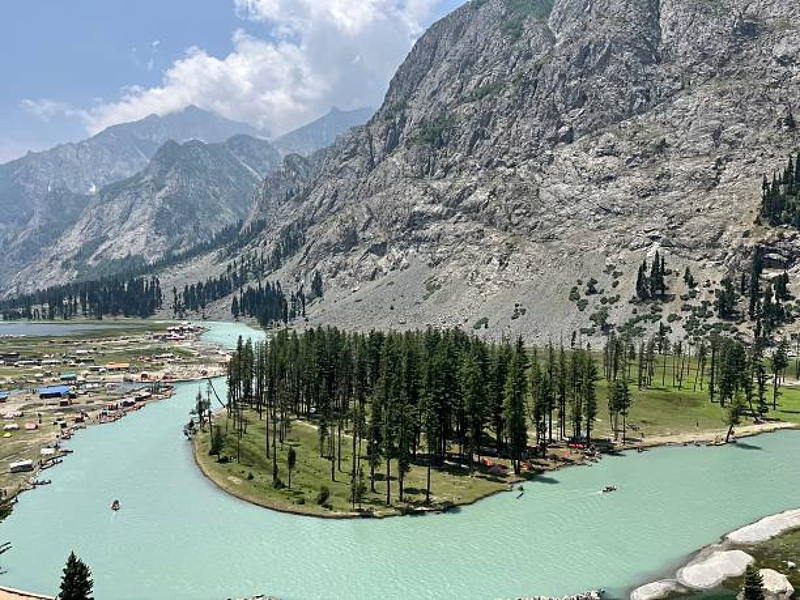
Best Time to Visit Swat Valley
Swat Valley is one of those rare places in Pakistan where every season changes the entire mood of the journey.
In spring, orchards bloom and the valley feels fresh after winter. In summer, families head toward Kalam, Ushu Forest, Mahodand Lake, and Malam Jabba to escape the heat of the plains. Autumn brings golden trees, crisp air, and some of the clearest mountain views of the year. Winter turns Malam Jabba, Kalam, and the upper valleys into a snow-covered escape for travelers who love cold weather, skiing, and cozy mountain stays.
So, what is the best time to visit Swat Valley?
For most first-time travelers, the best time to visit Swat Valley is from April to October, especially April–May and September–October. These months offer a comfortable balance of pleasant weather, open roads, green scenery, and fewer travel complications. Summer is best for lakes and family vacations, while winter is best for snow lovers and Malam Jabba skiing.
But the real answer depends on what kind of Swat trip you want. A family with children will need a different season than a photographer. A couple planning a peaceful getaway may prefer autumn, while adventure travelers may wait for summer when high-altitude routes are more accessible. Someone dreaming of snow should plan for December to February, but should also check the latest road and weather updates before departure.
This guide explains Swat Valley season by season, month by month, and traveler by traveler so you can choose the right dates with confidence.
Quick Answer
Best Months to Visit Swat Valley at a Glance
The best time to visit Swat depends on whether you want flowers, green valleys, lake access, snow, photography, family comfort, budget value or winter adventure.
Best Overall Months
April, May, September and October offer pleasant weather, good scenery, road comfort and fewer travel complications than peak summer or deep winter.
Best for First-Time Travelers
April to October is the main practical window, with April–May and September–October giving the most balanced experience.
Best for Lakes and Kalam
June to September is best for Kalam, Ushu Forest, Mahodand Lake and upper Swat routes where road access matters.
Best for Snow
December to February is the winter snow window, with January and February usually the strongest months for Malam Jabba snow trips.
Best for Photography
March–April are excellent for blossoms, while October–November bring golden trees, clear skies and dramatic mountain light.
Peak Tourist Season
June to August is the busiest travel season, especially around school holidays, Eid breaks, summer weekends and popular upper-valley routes.
- Why timing matters for Swat travel
- Understanding Swat Valley’s climate
- Swat Valley weather by season
- Spring in Swat Valley
- Summer in Swat Valley
- Autumn in Swat Valley
- Winter in Swat Valley
- Month-by-month breakdown
- Best time by traveler type
- When it snows in Swat and Malam Jabba
- Safety and road conditions by season
- What to pack for Swat Valley
- Local events and cultural festivals
- Top places to visit during each season
- Suggested itineraries by season
- Best time to visit Kalam
- Best time to visit Malam Jabba
- Best time to visit Mahodand Lake
- Best time to visit Swat from Lahore, Islamabad and Karachi
- Budget planning by season
- Where to stay by season
- Food and local experience by season
- Common mistakes to avoid
- Responsible travel tips
- Frequently asked questions
Why Timing Matters for Swat Travel
Timing matters in Swat because the valley is not a single-weather destination. Mingora, Saidu Sharif, Malam Jabba, Bahrain, Madyan, Kalam, Ushu Forest, and Mahodand Lake can all feel different on the same day because of altitude, road access, and local weather patterns.
A traveler arriving in Mingora in July may find warm weather, traffic, and busy hotels. The same traveler driving higher toward Kalam may feel cooler air, greener forests, and sudden showers. In winter, Mingora may remain accessible while upper areas like Kalam, Malam Jabba, and Mahodand routes can be affected by snowfall, ice, or road clearance delays.
Choosing the right time helps you avoid three common problems.
First, it improves accessibility. Some upper-valley roads and lake routes are easier in late spring and summer than in deep winter. If you are traveling with family, older parents, or young children, road comfort matters as much as scenery.
Second, it improves comfort. Swat is beautiful throughout the year, but not every traveler enjoys cold nights, crowded summer bazaars, or rainy travel days. If you match the season with your travel style, your trip becomes easier and more enjoyable.
Third, it improves the experience. Spring is best for flowers and soft landscapes. Summer is best for lakes and high-altitude sightseeing. Autumn is best for photography and peaceful travel. Winter is best for snow, skiing, and mountain atmosphere.
Weather records for Mingora show hot summer months and colder winter months, while local mountain areas such as Malam Jabba receive snow in winter. Climate datasets also show that rainfall patterns vary across the year, with spring and late summer often bringing more precipitation than the driest months.
For a smooth trip, timing is not just about temperature. It affects your hotel prices, road hours, clothing, vehicle choice, photography conditions, crowd levels, and even which places are worth including in your itinerary.
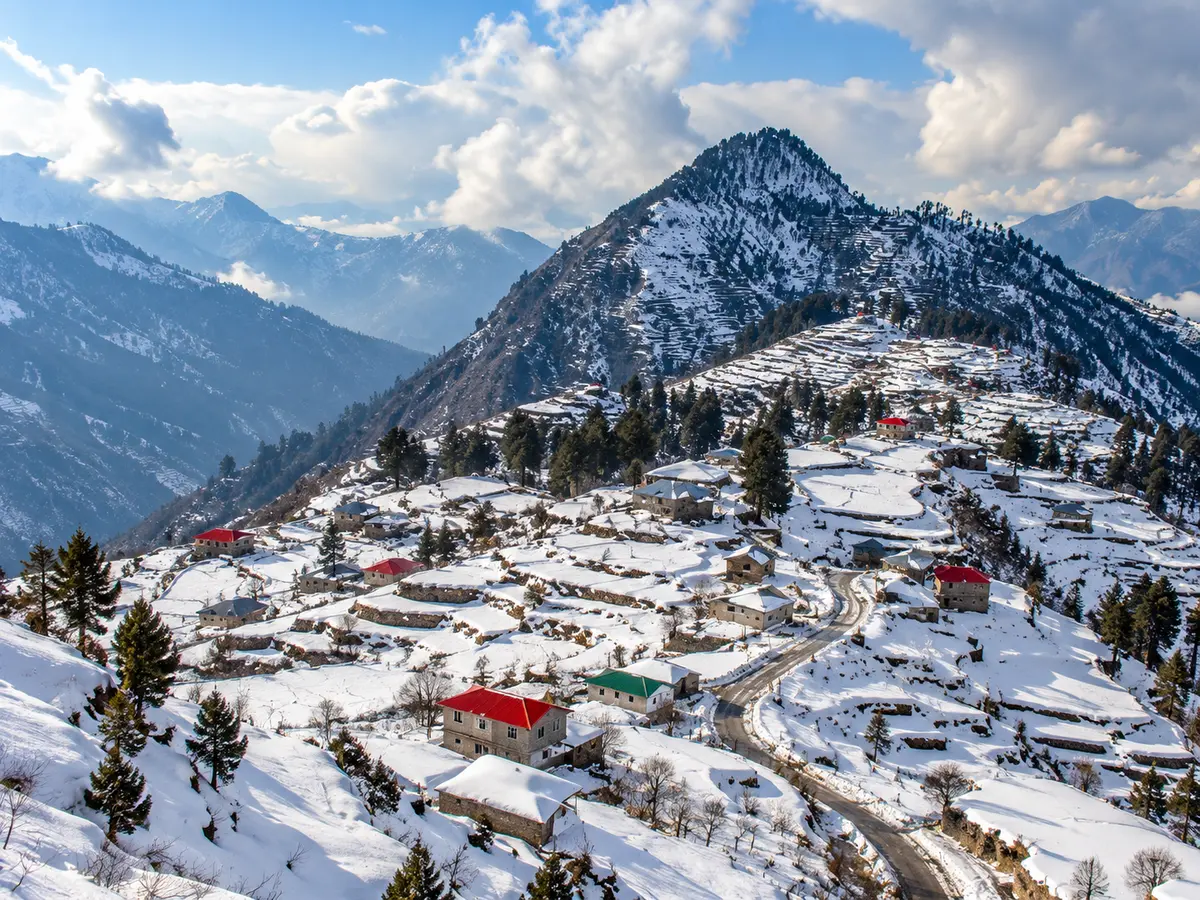
Swat changes quickly with altitude.
Lower Swat may feel warm and busy while the upper valley feels cooler, greener and more alpine. Malam Jabba may have snow while Mingora remains more manageable for travel and hotels.
This is why a good Swat plan should never be based only on one weather reading. You need to think about where you are sleeping, which route you are taking, and how far into the mountains you want to go.
The right timing makes the difference between a trip that feels smooth and a trip where every day becomes a road-condition question.
Understanding Swat Valley’s Climate
Swat Valley lies in Khyber Pakhtunkhwa and stretches from lower urban areas like Mingora and Saidu Sharif toward cooler mountain valleys such as Madyan, Bahrain, Kalam, Ushu, Utror, and Gabral. This change in altitude is the main reason Swat does not have one simple climate.
Mingora is usually warmer and busier. It works well as an arrival point, shopping base, hotel zone, and starting point for nearby attractions like Fizagat Park, Swat Museum, White Palace Marghazar, and Saidu Sharif. Kalam and the upper valleys are cooler, greener, and more alpine. Malam Jabba sits higher than Mingora and is famous for snow, winter tourism, chairlift views, and skiing.
Altitude changes the way you should plan your day. You may start your morning in Mingora with mild weather, drive into fog or rain near the mountains, and end the evening wearing a jacket in Kalam or Malam Jabba. This is why layered clothing is useful in almost every season.
Lower Swat
Lower Swat includes areas like Mingora, Saidu Sharif, Fizagat, Barikot, and nearby villages. These areas are easier to access, have more services, and are usually warmer. They are good for short trips, cultural sightseeing, museum visits, and family-friendly stays.
Upper Swat
Upper Swat includes Madyan, Bahrain, Kalam, Ushu Forest, Utror, Gabral, and lake routes. These areas are cooler and more scenic, but road conditions can vary with rain, snow, and seasonal traffic.
Malam Jabba
Malam Jabba is a separate mountain experience. It is not as far as Kalam from Mingora, but because it climbs into the hills, weather changes quickly. In winter, it can receive snow while lower parts of Swat remain more manageable.
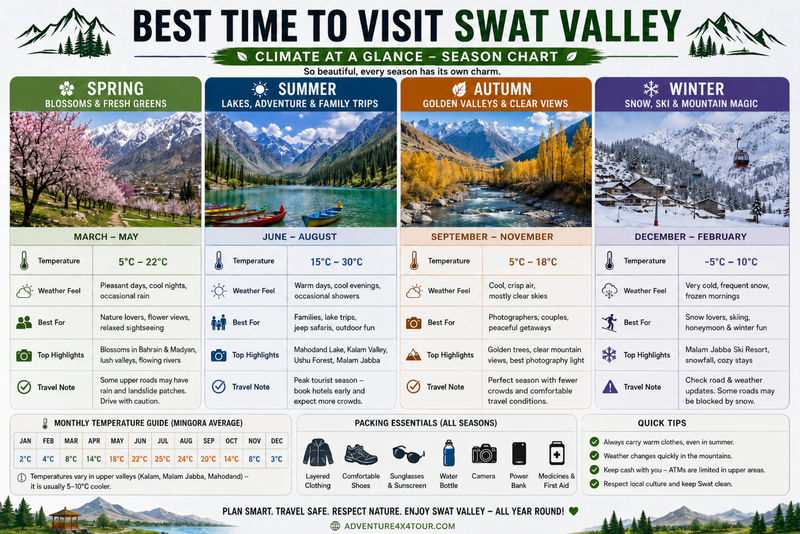
Swat Valley Climate at a Glance
Swat has four clear travel seasons.
Spring brings fresh greenery, flowers, and mild temperatures. Orchards of apricot, plum, peach, and pear attract local visitors and photographers. Summer brings peak tourism, long daylight, and access to lakes and forests. It can feel warm in Mingora, but higher valleys remain more pleasant.
Autumn brings clear skies, golden tones, and quieter roads after the main summer rush. Winter brings snow to higher areas, especially Malam Jabba and Kalam side valleys.
| Season | Months | Weather Feel | Best For | Travel Note |
|---|---|---|---|---|
| Spring | March–May | Mild, fresh, blooming | Families, sightseeing, photography | Light jacket useful |
| Summer | June–August | Warm lower valley, cool upper valley | Lakes, family holidays, chairlifts | Expect crowds and possible showers |
| Autumn | September–November | Crisp, clear, golden | Photography, couples, relaxed trips | Excellent shoulder season |
| Winter | December–February | Cold, snow in upper areas | Skiing, snow trips, cozy stays | Check roads before travel |
Spring in Swat Valley: March to May
Spring is one of the most beautiful times to visit Swat Valley. The harshness of winter begins to fade, the lower valley turns green, fruit trees begin to bloom, and the air feels fresh without being too cold. For many travelers, spring offers the best balance between comfort and scenery.
In March, the season is still transitioning. Some upper areas may carry traces of winter, and colder nights are common. By April, Swat begins to look brighter and more welcoming. May is usually one of the easiest months for families because the weather is warmer, the days are longer, and sightseeing becomes more comfortable.
Spring is ideal if you want greenery without peak summer crowds. Orchards, fields, riversides, and village roads look alive. Places like White Palace Marghazar, Swat Museum, Fizagat Park, Madyan, and Bahrain are enjoyable during this time. Waterfalls and streams also begin to feel more active as snow melts in higher areas.
Why Visit Swat in Spring?
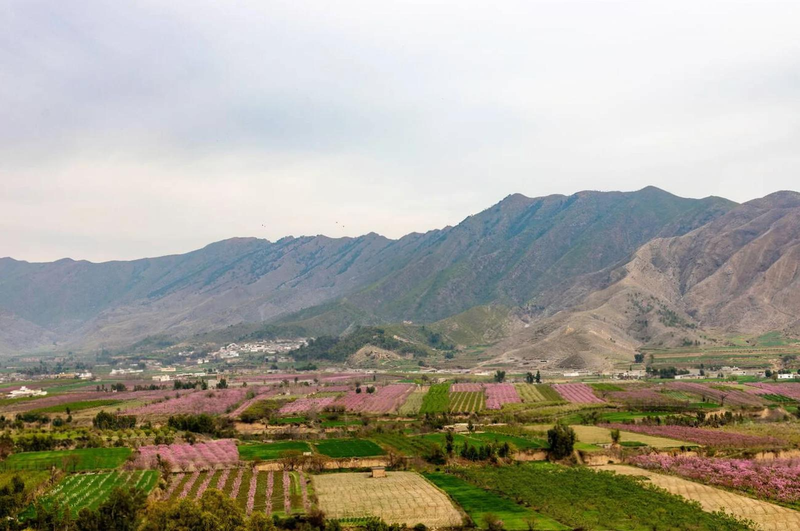
Spring is perfect for travelers who want a softer, calmer version of Swat. You can explore without the heavy summer rush, and the valley has a fresh look that feels very different from the dry plains of Punjab or Sindh.
This is also a good time for travelers coming from Islamabad, Lahore, Faisalabad, Multan, Karachi, or Peshawar who want a comfortable family holiday. Roads are generally easier than winter, and the weather is not as warm as summer.
Spring works well if your idea of a good trip includes comfortable sightseeing, cultural stops, riverside tea, orchards, village roads and a softer pace.
It is especially strong for travelers who want the Swat feeling without dealing with peak-season hotel pressure.
Best Spring Activities
Spring is best for sightseeing, photography, riverside walks, soft hiking, cultural stops, and family tours. You can visit Swat Museum, Saidu Sharif, White Palace, Fizagat Park, and the lower valley attractions without rushing.
Madyan, Bahrain and Kalam in Spring
Madyan and Bahrain become attractive during spring because their riverside views are refreshing. Kalam may still be cooler, but late spring can be a good time to include it if roads and weather are favorable.
Spring Lake Reality
Spring is not the best time for every high-altitude lake, because some lake routes can still be affected by snow or rough conditions in early spring. If your main goal is Mahodand Lake, Kundol Lake, or upper trekking routes, summer is usually more reliable.
Who Should Choose Spring?
Choose spring if you are traveling with family, want pleasant weather, enjoy flowers and greenery, or prefer a balanced trip with sightseeing and comfort. April and May are especially good months for families, couples, and first-time visitors.
Summer in Swat Valley: June to August
Summer is the busiest travel season in Swat Valley. Schools are closed, families plan vacations, and tourists from warmer cities travel north for cooler weather. This is the season when Kalam, Ushu Forest, Mahodand Lake, Malam Jabba, Madyan, and Bahrain become major travel highlights.
In lower Swat, especially around Mingora, summer can feel warm during the day. But the reason travelers still visit Swat in summer is simple: the higher you go, the more comfortable it becomes. Kalam, Ushu, Utror, Gabral, and lake routes offer cooler air and mountain scenery. Malam Jabba is also popular for chairlift rides, zipline activities, and panoramic views.
Why Summer Is Popular
- Summer gives travelers the widest access to Swat’s natural attractions.
- This is usually the best season for visiting Mahodand Lake.
- Ushu Forest, Kalam and riverside hotels are at their most active.
- Families can enjoy longer daylight and easier outdoor movement.
- Malam Jabba is excellent for chairlift rides, zipline, giant swing and hill-station views.
Summer Travel Reality
- June, July and August are high-demand months for hotels and transport.
- Roads and bazaars can become crowded during Eid, school holidays and weekends.
- Lower Swat can feel warm during the day.
- July and August can bring monsoon showers.
- Overloaded itineraries become tiring very quickly.
Summer Travel Experience
A typical summer trip may start from Islamabad or Lahore, reach Mingora or Fizagat, continue to Malam Jabba, then move toward Madyan, Bahrain, and Kalam. If time allows, travelers continue to Ushu Forest and Mahodand Lake by jeep.
The valley is green, rivers are strong, and bazaars are active. Families enjoy trout fish, riverside tea, local fruit, chairlifts, and scenic drives. Children usually enjoy summer more than winter because there is more outdoor movement and less harsh cold.
Monsoon Showers in July and August
Summer is not completely dry. July and August can bring monsoon showers, especially in lower and mid-valley areas. Rain does not mean you should avoid Swat completely, but it does mean you should plan with flexibility.
Rain can cause short delays, slippery patches, traffic slowdowns, and changes in jeep access. If you are traveling during July or August, avoid overloading your itinerary. Keep extra time for road movement and avoid late-night mountain driving during heavy rain.
Best Summer Activities
Summer is best for lakes, family vacations, jeep rides, forests, river views, and high-altitude sightseeing. This is when Mahodand Lake, Ushu Forest, Matiltan, Utror, and Gabral are most attractive for nature-focused travelers.
Malam Jabba is also excellent in summer for chairlift rides, zipline, and cooler hill-station weather. It does not have the snow atmosphere of winter, but it is more accessible and easier for families.
Choose summer if your priority is Mahodand Lake, Kalam, Ushu Forest, and family vacation time. It is also the best season for adventure seekers who want to explore higher areas.
Avoid expecting complete peace in summer. Hotels, roads, and tourist spots can be busy, especially around Eid holidays, school vacations, and weekends.
Autumn in Swat Valley: September to November
Autumn is one of the most underrated times to visit Swat Valley. The weather becomes crisp, the summer crowds begin to reduce, and the scenery shifts from deep green to golden, amber, and brown. For photographers, couples, writers, and slow travelers, autumn can be even better than summer.
September still carries some summer greenery, but the air begins to feel clearer. October is often the star month for autumn travel. November becomes colder, quieter, and more budget-friendly, especially before heavy winter demand starts in snow areas.
Why Autumn Feels Special
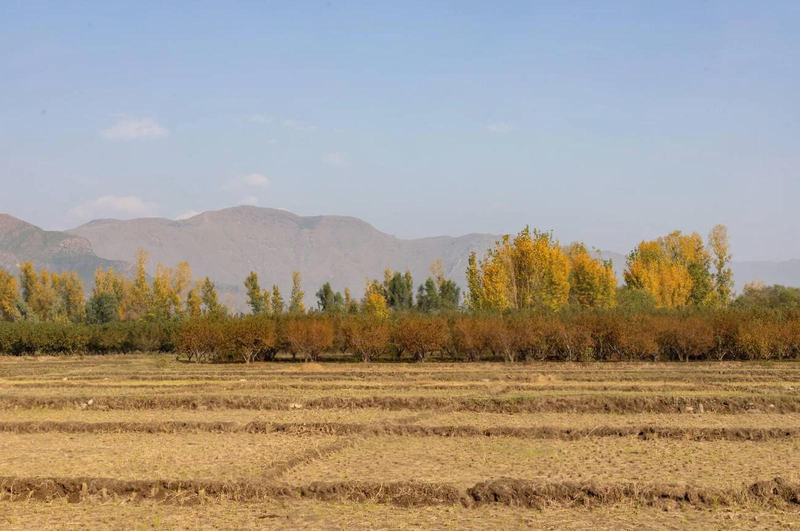
Autumn changes the emotional tone of Swat.
Summer is energetic and crowded. Autumn is slower, calmer, and more atmospheric. Roads feel less rushed, hotel prices may become more reasonable, and popular places become easier to enjoy.
This season is especially beautiful around Madyan, Bahrain, Miandam, Kalam, Ushu Forest, and riverside valleys where trees begin to change color.
Morning and evening light becomes softer, which is excellent for photography.
September
September is best if you want greenery, open routes, and comfortable weather. It still feels close to summer but with fewer crowds.
October
October is best for photography, clear skies, golden landscapes, and balanced temperatures. It is one of the best months overall for couples and slow travelers.
November
November is best for budget travelers and quiet trips, but evenings become colder and upper areas require warmer clothing.
Who Should Choose Autumn?
Choose autumn if you want Swat at its most peaceful and photogenic. It is ideal for couples, photographers, solo travelers, and families who can travel outside school holidays.
Winter in Swat Valley: December to February
Winter in Swat is completely different from spring, summer, and autumn. It is colder, quieter, and more dramatic. Snow covers higher parts of the valley, and Malam Jabba becomes the main attraction for travelers looking for snow sports and winter scenery.
Snowfall in Swat commonly begins around December and continues into February, with snow sometimes remaining into March in higher areas.
Malam Jabba is the most popular winter destination in Swat because it offers skiing, chairlift views, snow tubing, and resort-style winter tourism.
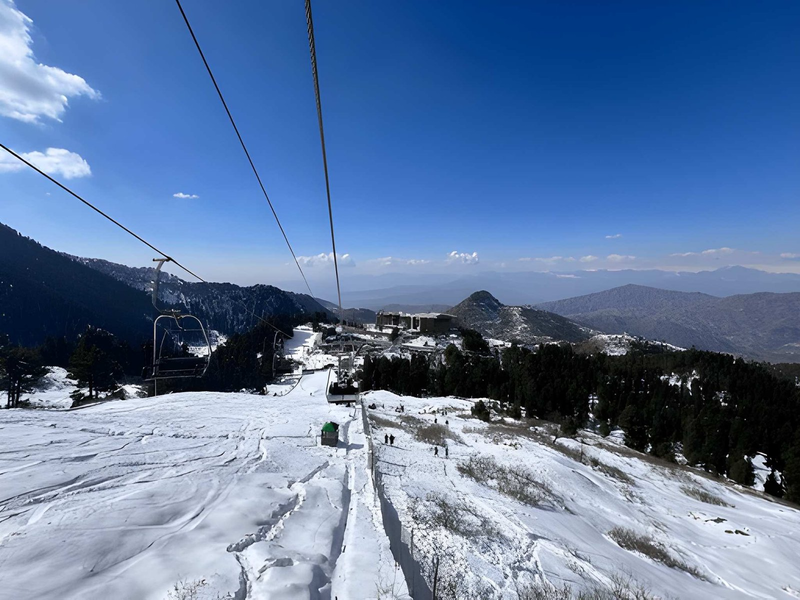
Winter is best for travelers who want snow, cozy hotels, mountain views, and a completely different side of Swat. It is not the easiest season, but it can be one of the most memorable.
Malam Jabba is the main winter highlight. Families visit for snow play, couples come for scenic stays, and adventure travelers come for skiing and chairlift experiences.
Kalam and upper valleys can also look beautiful in snow, but accessibility is more sensitive. Road clearance, vehicle type, and weather timing become important.
Winter travel requires more patience than other seasons, and the safest plan is the one that stays flexible.
Best Winter Activities
- Skiing and snow play at Malam Jabba.
- Chairlift rides and snow photography.
- Cozy resort stays and hot tea.
- Local food, short scenic drives and winter views.
- Lower-valley bases such as Mingora and Saidu Sharif for practical access.
Winter Travel Caution
- Check weather updates before departure.
- Avoid late-night driving.
- Use an experienced local driver.
- Consider a suitable vehicle for snow-affected routes.
- Confirm heating, hot water and road access before booking hotels.
Month-by-Month Breakdown
Choosing the right month can make your Swat trip much easier. Here is a simple month-by-month guide.
| Month | Weather Snapshot | Best For | Travel Tip |
|---|---|---|---|
| January | Peak cold, snow in higher areas | Snow sports, Malam Jabba, cozy stays | Check road clearance before departure |
| February | Snow continues, cold nights | Skiing, snow photography | Good for snow lovers |
| March | Late winter shifts into spring | Sightseeing, soft bloom, quiet roads | Pack warm layers |
| April | Clearer spring weather, flowers | Families, photographers, cultural stops | One of the best balanced months |
| May | Warmer days, green valley | Family travel, sightseeing, lower Swat | Good before peak summer rush |
| June | Start of summer tourism | Kalam, Malam Jabba, riverside stays | Book hotels early |
| July | Warm lower valley, cooler upper areas | Lakes, forests, family vacations | Expect crowds and possible rain |
| August | Green, humid in parts, monsoon risk | Upper Swat, waterfalls, lakes | Keep itinerary flexible |
| September | Pleasant, clearer skies | Relaxed travel, photography | Excellent shoulder season |
| October | Crisp air, golden colors | Autumn photography, couples | One of the best months overall |
| November | Cold evenings, quieter roads | Budget travel, peaceful escapes | Carry warm clothing |
| December | Early snow in higher areas | Winter trips, Malam Jabba | Confirm weather and road status |
Best Time to Visit Swat by Traveler Type
Not every traveler should visit Swat in the same season. The best month depends on your comfort level, travel goals, budget, and the people traveling with you.
Families
Best months: April–May and September–October.
Families usually need comfortable weather, stable roads, good hotel options, and a relaxed pace. For this reason, spring and early autumn are the safest choices.
April and May are excellent for families because the valley is green, the days are comfortable, and the weather is not too cold. September and October are also ideal because the summer rush has reduced and the valley becomes peaceful.
Families can enjoy Fizagat Park, White Palace, Swat Museum, Malam Jabba, Madyan, Bahrain, and Kalam depending on time and road conditions.
Adventure Seekers
Best months: June–August.
Adventure travelers usually want lakes, jeep rides, upper-valley access, forest routes, and longer outdoor days. Summer is the best time for this.
June to August is the strongest window for Mahodand Lake, Ushu Forest, Utror, Gabral, and extended Kalam routes. The weather in upper areas is more favorable, and more local services are active.
Adventure travelers should still plan carefully in July and August because monsoon showers can affect road movement.
Photographers
Best months: March–April and October–November.
Photographers get two beautiful windows in Swat. Spring brings flowers, orchards, green fields, and soft colors. Autumn brings golden trees, clear skies, and dramatic landscapes.
March and April are best for blossom photography in lower Swat. October and November are best for golden valley shots, mountain light, and quieter roads.
Photographers should keep mornings and late afternoons free, because Swat’s best light often appears when the sun is low and the valley has softer contrast.
Snow Lovers
Best months: December–February.
If you want snow, winter is the obvious choice. Malam Jabba is the best destination for snow activities, skiing, chairlift rides, and winter resort views.
January and February are usually better for snow than early December, but weather changes every year. Always check live updates before planning a snow trip.
Budget Travelers
Best months: November–March, excluding peak snow weekends and holidays.
Budget travelers should avoid peak summer holidays and major festive weekends. November, early December, late February, and March can offer better value, especially if you are flexible with hotel category and travel dates.
Winter can be affordable in lower Swat, but Malam Jabba may become expensive during snowfall peaks and weekends.
Couples
Best months: April–May, September–October, and December for snow.
Couples often prefer scenery, comfort, and peaceful hotels. April, May, September, and October are excellent for relaxed trips. December can be romantic if the goal is snow and cozy stays, but it requires winter preparation.
Senior Travelers
Best months: April–May and September.
Senior travelers should avoid harsh winter conditions and the busiest summer traffic. April, May, and September offer better comfort, easier movement, and less weather stress.
When Does It Snow in Swat and Malam Jabba?
Snowfall in Swat usually occurs from late November or December to March, with the strongest snow tourism season in December, January, and February. Malam Jabba is the most reliable and popular snow destination in Swat Valley.
Snowfall commonly starts from December and continues until the end of February, with snow sometimes remaining until March in higher areas.
If your main goal is snow, plan for January or February. December can be beautiful, but snowfall may be less predictable early in the month. March can still have snow in some higher patches, but the classic winter atmosphere starts to fade.
Best Time for Snow in Malam Jabba
- January and February are usually the strongest months for snow-focused travel.
- December can work, especially later in the month, but snow may be less predictable early on.
- March may still show snow in higher patches, but the winter feeling begins to soften.
- Malam Jabba is the most practical snow destination for most travelers.
Should You Check Weather Before Going?
- Winter travel should never be planned blindly.
- Check Malam Jabba weather before departure.
- Confirm road clearance if heavy snow is expected.
- Be extra careful when traveling with children, elderly family members, or groups.
Safety and Road Conditions by Season
Swat is a popular tourist destination, but mountain travel always requires planning. Weather, traffic, road repairs, snow, rain, and local advisories can affect your journey.
Spring Road Conditions
Spring roads are usually more comfortable than winter roads, but early March can still carry winter effects in higher areas. Snowmelt can create wet patches, and some upper routes may need checking before travel.
For most family sightseeing around Mingora, Saidu Sharif, Marghazar, Fizagat, Madyan, and Bahrain, spring is manageable. For upper routes and lakes, confirm access before departure.
Summer Road Conditions
Summer roads are generally open, especially for popular tourist routes. However, July and August can bring rain and occasional delays. Monsoon showers may create slippery patches, temporary blockages, or traffic slowdowns.
This does not mean summer is unsafe, but it does mean your itinerary should not be too tight. If you are going to Kalam or Mahodand Lake, start early and avoid returning late at night.
Autumn Road Conditions
Autumn is one of the easiest seasons for road travel. Rain is usually less disruptive than monsoon months, crowds are lower, and visibility can be excellent.
September and October are especially good for road comfort. November becomes colder, especially in the upper valley, so warm clothing becomes necessary.
Winter Road Conditions
Winter is the season that needs the most caution. Snow can affect roads to Malam Jabba, Kalam, and other upper areas. Heavy snow can cause temporary closures or delays, and road clearance can take time.
For winter trips, travel in daylight, use an experienced driver, avoid unnecessary night driving, check local weather before leaving, carry warm clothing, water, snacks, and basic medicines, and use a suitable vehicle if snow is expected.
General Safety Tips
- Always check local advice before traveling to mountain areas.
- Keep your hotel informed if you are heading toward remote routes.
- Carry some cash because card payments may not work everywhere.
- Ask your tour operator about seasonal route planning, vehicle type and backup options.
- Use local updates from drivers, hotel staff and guides.
Winter-Specific Cautions
- Do not push toward upper areas during active heavy snowfall.
- Do not rely only on mobile signals in upper valleys.
- Do not assume snow means easy travel.
- Do not drive late at night on snow-affected roads.
What to Pack for Swat Valley
Packing for Swat depends heavily on the season. A traveler visiting in May does not need the same clothing as someone visiting Malam Jabba in January.
| Season | Essentials | Extra Advice |
|---|---|---|
| Summer | Cotton layers, sunblock, hat, sunglasses, comfortable shoes, light jacket | Lower Swat can be warm while Kalam and Malam Jabba can be cooler |
| Autumn | Layered outfits, light fleece, hiking shoes, scarf, warm evening wear | Extra camera batteries help because cold mornings can reduce battery performance |
| Winter | Thermals, gloves, snow boots, warm jacket, wool socks, cap, lip balm | Avoid regular sneakers for snow because they become wet and uncomfortable quickly |
| Spring | Windbreaker, sneakers, rain jacket, light sweater, camera | March and April can shift quickly between mild sun, cool wind and rain |
Summer Packing Tips
In summer, lower Swat can be warm during the day, while Kalam and Malam Jabba can be cooler. Pack breathable clothes but keep a light jacket for evenings. Sunblock, sunglasses, and a cap are useful for daytime sightseeing.
If you are visiting lakes or forests, wear comfortable shoes. Avoid slippery sandals for jeep routes and uneven paths.
Autumn Packing Tips
Autumn requires layers. Mornings and evenings can be cool, while daytime may feel pleasant. A fleece, shawl, or light jacket is useful. Photographers should carry extra batteries because cold mornings can reduce battery performance.
Winter Packing Tips
Winter requires serious warm clothing. Do not depend on a single jacket. Pack thermals, gloves, wool socks, a warm cap, and waterproof or snow-friendly shoes.
If you plan to play in snow, avoid regular sneakers because they can become wet and uncomfortable quickly. Families should pack extra clothes for children because snow activities can make clothes damp.
Spring Packing Tips
Spring weather can change quickly. Carry a light jacket, windbreaker, and comfortable shoes. A rain jacket can be helpful, especially if you are traveling in March or April.
Local Events and Cultural Festivals
Swat is not only about mountains and weather. Local culture, food, hospitality, bazaars, and seasonal events also shape the travel experience.
Eid Holidays
Eid holidays are popular travel periods in Swat. Families from across Pakistan visit during Eid breaks, especially if Eid falls near pleasant weather or summer holidays. Hotels can become expensive, roads can get crowded, and popular attractions may feel busy.
If you are planning an Eid trip, book early and keep your itinerary realistic.
Malam Jabba Snow Events
Malam Jabba sometimes hosts winter tourism events and snow-related activities during the colder months. These events can attract large crowds, especially on weekends.
If you want a lively snow atmosphere, this can be a good time. If you prefer peace, avoid major event dates and peak weekends.
Summer Tourism Events
Summer is peak tourism season, so local activities, family travel, and market movement increase. You may find more active bazaars, more food options, and more tourism services during this period.
Cultural Experiences
Swat’s culture is shaped by Pashtun hospitality, local food, handicrafts, riverside bazaars, traditional houses, and historical memory. Even if your trip is mainly nature-focused, include some time for local food, tea, markets, and cultural stops.
Top Places to Visit During Each Season
The best places in Swat change with the season. Some attractions are year-round, while others shine only during certain months.
Best Places to Visit in Spring
Spring is ideal for lower and mid-valley sightseeing.
White Palace Marghazar is excellent in spring because the gardens and surrounding hills feel fresh. It is a good family stop and works well for photography.
Swat Museum is a good cultural stop, especially if you want to understand the Gandhara history and Buddhist heritage of the region.
Fizagat Park is pleasant for families and riverside views.
Madyan and Bahrain become more attractive as greenery returns and the river scenery improves.
Spring waterfalls and streams are also enjoyable as snowmelt begins feeding the valley’s water channels.
Best Places to Visit in Summer
Summer is the best season for upper Swat.
Mahodand Lake is one of the biggest summer highlights. It is usually visited from Kalam by jeep, and the route is best planned in good weather.
Ushu Forest is a must-visit summer destination because of its cool air, tall trees, and mountain feel.
Kalam Valley is the summer base for many travelers. It offers hotels, riverside views, local food, and access to upper attractions.
Malam Jabba is good for chairlift rides, zipline, and cool weather.
Kundol Lake and other trekking routes are better for physically prepared travelers and should be planned with local guidance.
Best Places to Visit in Autumn
Autumn is perfect for scenic valleys and photography.
Bahrain looks beautiful in autumn because of its riverside setting and mountain backdrop.
Madyan is calm, scenic, and good for local food stops.
Miandam is an excellent autumn destination for travelers who want a quieter hill-station feel.
Kalam and Ushu Forest can be very photogenic as colors shift and crowds reduce.
Best Places to Visit in Winter
Winter is best for snow-accessible areas.
Malam Jabba Ski Resort is the top winter destination for skiing, chairlift rides, and snow activities.
Fizagat Park can offer lower-valley winter views and a more accessible family stop.
Mingora and Saidu Sharif work as practical bases because they have better services, markets, and hotels.
Kalam Valley can be beautiful in winter, but road conditions must be checked carefully.
Suggested Itineraries by Season
A best-time guide becomes more useful when travelers can imagine what their trip might look like. Here are practical seasonal itinerary ideas.
Comfort, Culture and Riverside Stops
Day 1: Travel to Swat, check in around Mingora or Fizagat, visit Fizagat Park and enjoy riverside dinner. Day 2: Visit White Palace Marghazar, Swat Museum, Saidu Sharif, and local bazaars. Day 3: Drive toward Madyan and Bahrain for scenery, tea stops, and photography before returning.
This itinerary is ideal for families, couples, and first-time visitors who want comfort without a tiring pace.
Classic Swat Nature Route
Day 1: Arrive in Swat, stay in Mingora or Fizagat. Day 2: Visit Malam Jabba for chairlift, zipline, and mountain views. Day 3: Travel to Kalam through Madyan and Bahrain. Explore Kalam bazaar and riverside views. Day 4: Visit Ushu Forest and Mahodand Lake by jeep, then return or stay another night.
This itinerary is best for families and nature lovers who want the classic Swat summer experience.
Photography and Calm Travel
Day 1: Reach Swat and stay near Fizagat or Mingora. Day 2: Explore Marghazar, Saidu Sharif, and Swat Museum. Day 3: Drive to Madyan, Bahrain, and Kalam with photography stops. Day 4: Visit Ushu Forest or Miandam depending on road comfort and preference.
This itinerary is ideal for photographers, couples, and relaxed travelers.
Malam Jabba Snow Escape
Day 1: Arrive in Mingora or Malam Jabba depending on road conditions. Day 2: Enjoy Malam Jabba snow activities, chairlift, skiing, and resort views. Day 3: Short lower-valley sightseeing and return.
This itinerary is best for snow lovers who want a short winter escape without overcomplicating the route.
Best Time to Visit Kalam
Kalam is one of the most popular areas in Swat, but it is more seasonal than Mingora or Saidu Sharif. Because it sits higher in the valley, it is cooler and more affected by weather.
The best time to visit Kalam is usually June to September if your goal is green scenery, forests, rivers, and lake access. May and October can also be good depending on road and weather conditions.
Summer is best for families because hotels and local services are more active. It is also the best time for visiting Ushu Forest and Mahodand Lake.
Autumn is best for peaceful travel and photography. Kalam becomes quieter after the summer rush, and the scenery feels more relaxed.
Winter in Kalam can be beautiful but challenging. Snow, cold weather, and road conditions must be checked before travel. It is better for experienced winter travelers than casual family trips.
Best Time to Visit Malam Jabba
Malam Jabba has two strong travel seasons: summer and winter.
Winter is best if you want snow, skiing, chairlift views, and a mountain resort atmosphere. December to February is the main snow season, with January and February often being the strongest months for snow experiences.
Summer is best if you want cool weather, chairlift rides, zipline activities, and easier access. May to August is popular for families who want a hill-station feel without winter road stress.
Spring and autumn are also good for quieter trips. You may not get snow, but you can enjoy views, fresh air, and fewer crowds.
If you are planning a Malam Jabba trip, always check Malam Jabba weather before departure.
Best Time to Visit Mahodand Lake
Mahodand Lake is one of the biggest reasons travelers go to Kalam in summer. The best time to visit Mahodand Lake is usually June to September, when access is more practical and the landscape is open for tourism.
The lake route is usually done by jeep from Kalam. Road comfort can change depending on rain, maintenance, and local conditions. July and August are popular, but showers can affect travel, so start early and keep your day flexible.
Mahodand is not ideal for casual winter travelers. Snow and road conditions can make access difficult or impractical.
For families, late June, July, and early September are often better than peak monsoon days, but exact conditions should always be checked locally.
Best Time to Visit Swat from Lahore, Islamabad and Karachi
Travel season also depends on where you are coming from.
From Islamabad
Islamabad travelers have the easiest access to Swat. A short 3–4 day trip is possible, especially for Mingora, Malam Jabba, Madyan, Bahrain, and Kalam.
Spring and autumn are ideal for comfortable road trips. Summer is best for Kalam and Mahodand Lake. Winter is best for Malam Jabba snow.
From Lahore
Lahore travelers should plan at least 4 days for a comfortable Swat trip, especially if Kalam is included.
Summer holidays are popular, but spring and autumn are more comfortable because the drive feels less rushed and hotel demand may be lower.
From Karachi
Karachi travelers should plan more carefully because the trip usually involves flights or long road travel.
For families from Karachi, April–May and September–October are very good because the weather is pleasant and the trip feels more relaxed. Summer works well if the main goal is Kalam and lakes, but advance booking becomes important.
Budget Planning by Season
Your Swat budget changes depending on the month.
Summer is usually the most expensive season because of school holidays, family tourism, and high demand in Kalam and Malam Jabba.
Eid holidays can also increase hotel prices and transport demand.
Autumn can offer better value because crowds reduce after summer. September and October are especially good for travelers who want quality scenery without peak-season rates.
Winter can be affordable in lower Swat, but Malam Jabba may become expensive during snowfall, weekends, and snow festivals.
Spring is generally balanced. April and May can be good value before the full summer rush, although popular weekends may still be busy.
Budget travelers should travel on weekdays, book early, avoid peak Eid dates, and keep hotel expectations realistic in upper valleys.
Where to Stay by Season
Choosing the right hotel location is just as important as choosing the right month.
| Season | Best Stay Areas | Why It Works |
|---|---|---|
| Spring | Mingora, Fizagat, Saidu Sharif, Marghazar | Practical bases for culture, riverside views, lower-valley sightseeing and comfortable family travel |
| Summer | Kalam, Fizagat, Malam Jabba | Kalam is popular for nature routes; Fizagat works as an easier base; Malam Jabba is good for chairlift activities and cool weather |
| Autumn | Mingora, Kalam, Miandam, Malam Jabba | Autumn is flexible and works for culture, scenery, quiet hill-station stays and clearer views |
| Winter | Malam Jabba, Mingora, Saidu Sharif | Malam Jabba is best for snow; Mingora and Saidu Sharif are practical for markets, food, hotels and transport |
In spring, Mingora, Fizagat, Saidu Sharif, and Marghazar are practical bases. If you want to explore Madyan or Bahrain, you can either do a day trip or stay one night in the mid-valley.
In summer, Kalam is the most popular base for nature-focused trips. Families often divide nights between Mingora or Fizagat and Kalam. Malam Jabba is also a good stay option for travelers who want chairlift activities and cooler weather.
Autumn is flexible. You can stay in Mingora for cultural sightseeing, Kalam for scenery, Miandam for peace, or Malam Jabba for views.
In winter, choose hotels carefully. Malam Jabba is best for snow, but book in advance and confirm heating. Mingora and Saidu Sharif are more practical if you want better access to markets, food, and transport.
In cold months, ask about room heating, hot water, backup power, road access, parking, and meal availability before booking.
Food and Local Experience by Season
Swat’s food experience also changes with the weather.
In summer, riverside tea, trout fish, fruit, and outdoor dining are popular. Kalam and Madyan are known for trout, while Mingora and Saidu Sharif offer more variety.
In winter, hot soups, karahi, chapli kebab, tea, and warm indoor dining become more enjoyable. After snow activities in Malam Jabba, simple hot food can feel like part of the experience.
Spring and autumn are excellent for slow food stops. You can enjoy tea beside the river, local snacks, fresh fruit, and relaxed meals without the pressure of peak-season crowds.
Travelers should also respect local culture. Swat is hospitable, but modest clothing, polite behavior, and respect for local customs are important throughout the year.
Common Mistakes to Avoid
Many Swat trips become tiring because travelers make a few avoidable mistakes.
The Mistakes
- The first mistake is trying to see everything in too little time. Swat looks compact on a map, but mountain roads, traffic, weather, and stops can slow the journey. A 3-day trip should not be overloaded with every lake, valley, and viewpoint.
- The second mistake is ignoring altitude. Mingora weather does not always represent Kalam or Malam Jabba weather. Always pack layers.
- The third mistake is booking too late in summer. Good hotels can fill quickly during holidays and weekends.
- The fourth mistake is traveling to upper areas at night. Mountain routes are safer and more enjoyable in daylight.
- The fifth mistake is assuming snow means easy travel. Snow is beautiful, but it can also bring road delays, cold rooms, slippery paths, and limited access.
- The sixth mistake is not checking local updates. Weather apps are useful, but local hotel staff, drivers, and tour operators often know the real road situation better.
The Better Approach
- Match the season to your travel goal.
- Choose fewer places and experience them properly.
- Pack layers even when the day starts warm.
- Book early for peak summer, Eid and snowfall weekends.
- Start mountain road travel early in the day.
- Use local advice before pushing toward upper routes.
Responsible Travel Tips for Swat Valley
Swat’s beauty depends on how travelers treat it. The valley receives thousands of visitors during peak months, and careless tourism can damage rivers, forests, roadsides, and local communities.
Protect Natural Places
Do not throw plastic bottles, wrappers, or food waste near rivers, forests, or lake routes. Carry your waste back to town if bins are not available.
Respect Local Communities
Ask before photographing people, especially women, children, and private homes. Avoid loud music in peaceful natural areas. Many travelers visit Swat for calm, and local communities also deserve respect.
Support Local Businesses
Support local businesses where possible. Buy food, tea, handicrafts, and services from local vendors.
Use Local Guides
Use local guides for unfamiliar trails and lake routes. This improves safety and supports the local economy.
Respect Weather Decisions
Do not pressure drivers to continue in bad weather. If a road is unsafe, wait or change the plan.
Travel Better
Responsible travel makes Swat better for visitors and for the people who live there.
Recommended Swat Valley Tours
If you want help choosing the right dates, hotels, vehicle, route, and seasonal stops, Adventure4x4Tour can design a Swat Valley itinerary around your travel style.
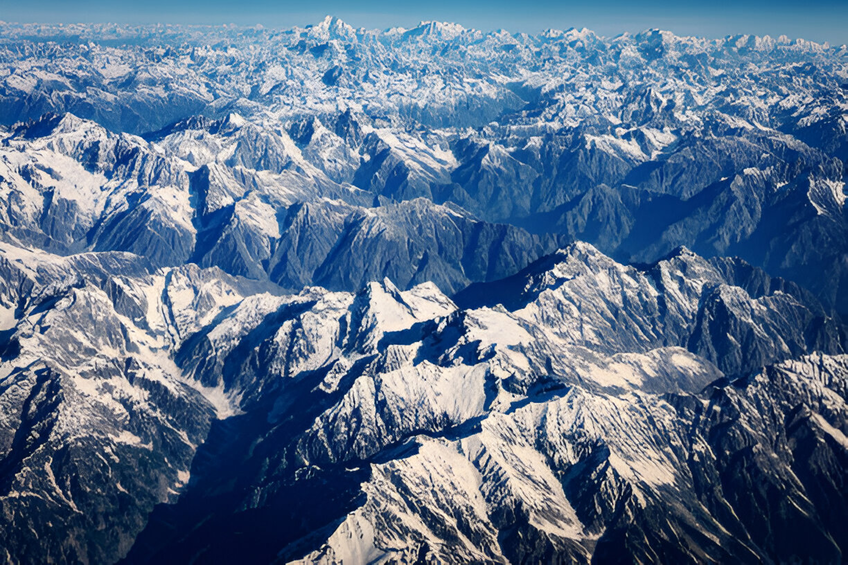
3 Day Swat Valley Tour from Lahore – Mountains, Culture & Nature
Best for first-time travelers who want a short Swat Valley escape with scenic views, cultural stops, practical pacing and a manageable travel plan.
View Tour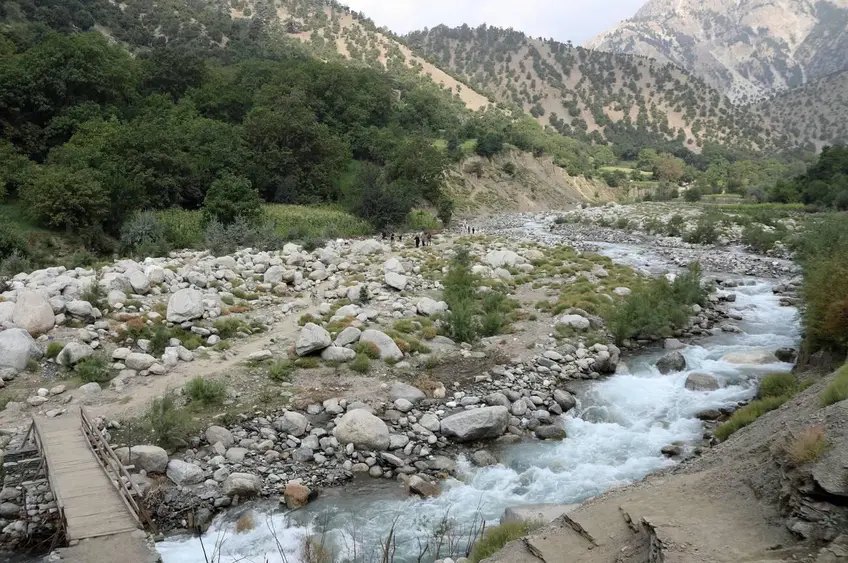
12 Day Kalash, Swat & Peshawar Tour
Best for travelers who want Swat as part of a deeper cultural and natural journey through northern Pakistan, including heritage, valleys and regional history.
View Tour
9 Day Kalash Valley Tour – Experience Chilam Joshi Festival in Pakistan
Step into a vibrant world of living heritage on this 9-day Kalash Valley tour, centered around the iconic Chilam Joshi Festival.
View TourFrequently Asked Questions
What is the best month to visit Swat?
The best months to visit Swat Valley are April, May, September, and October. These months offer pleasant weather, good scenery, and a more comfortable travel experience than peak winter or peak summer. If you want lakes and upper-valley access, June to August is better. If you want snow, January and February are best.
When does it snow in Swat and Malam Jabba?
Snowfall in Swat’s higher areas usually starts around late November or December and can continue until February or March. Malam Jabba is the most popular snow destination in Swat, especially in January and February.
Is it safe to travel to Swat in winter?
Winter travel to Swat can be safe if you plan properly, check weather updates, travel in daylight, use an experienced driver, and avoid risky routes during heavy snowfall. Malam Jabba is popular in winter, but road clearance and snow conditions should always be confirmed before departure.
What clothes should I pack for Swat Valley?
For summer, pack cotton layers, sunblock, sunglasses, comfortable shoes, and a light jacket. For autumn, pack layers and a fleece. For winter, pack thermals, gloves, warm jackets, wool socks, and snow-friendly shoes. For spring, pack a windbreaker, sneakers, and a light rain jacket.
How far is Malam Jabba from Swat?
Malam Jabba is commonly described as around 35–45 km from Mingora or Swat’s main urban area, depending on the exact starting point and route estimate. Travel time can vary with traffic, weather, and road conditions.
Does it rain in Swat during summer?
Yes, Swat can receive rain during summer, especially in July and August. These showers may cause short road delays or changes in jeep access, so travelers should keep their itinerary flexible during monsoon months.
What’s the best time to visit Swat for families?
The best time for families to visit Swat is April–May and September–October. These months are comfortable, scenic, and generally easier for road travel. Summer is also popular for families, especially for Kalam and Mahodand Lake, but it can be crowded.
Is Swat better in summer or winter?
Swat is better in summer if you want lakes, forests, green valleys, and family sightseeing. It is better in winter if you want snow, skiing, and Malam Jabba’s winter atmosphere. For a first-time comfortable trip, spring or autumn is usually better than both extremes.
Can I visit Mahodand Lake in winter?
Mahodand Lake is usually best visited in summer, especially from June to September. Winter access can be difficult due to snow and road conditions. Casual family travelers should avoid planning Mahodand as a winter stop unless local conditions clearly allow it.
Is October a good time to visit Swat?
Yes, October is one of the best months to visit Swat Valley. The weather is crisp, the skies are often clearer, crowds are lower than summer, and the valley takes on beautiful autumn colors. It is especially good for couples, photographers, and relaxed travelers.
Plan Your Swat Valley Trip
The best time to visit Swat Valley depends on the experience you want.
Choose April to May for spring flowers, family comfort, and soft green scenery.
Choose June to August for Kalam, Mahodand Lake, Ushu Forest, and full summer energy.
Choose September to October for clear skies, golden landscapes, and peaceful travel.
Choose December to February for snow, skiing, and Malam Jabba winter views.
For most first-time visitors, April–May and September–October are the safest and most enjoyable months. These shoulder seasons give you the best mix of scenery, comfort, accessibility, and value.
If you want help choosing the right dates, hotels, vehicle, route, and seasonal stops, Adventure4x4Tour can design a Swat Valley itinerary around your travel style.
